


Key Takeaways from Technovation in Stockholm
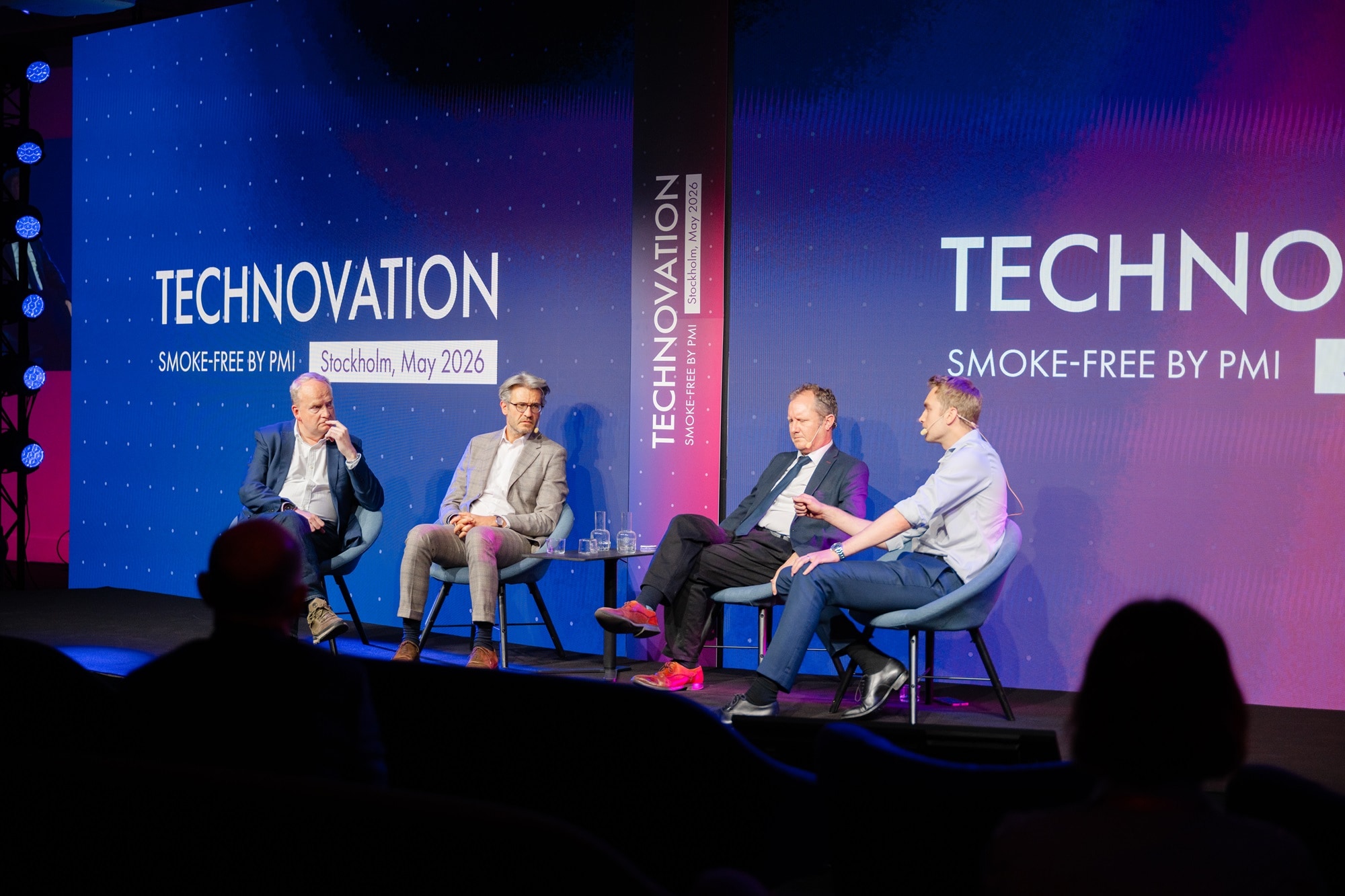
Stockholm recently hosted Technovation Smoke-Free 2026, one of the most prominent international events focused on innovation, smoke-free alternatives, and tobacco harm reduction policies. Organized by Philip Morris International, the event brought together public health experts, researchers, industry representatives, and policymakers to discuss how science and technology are reshaping the global nicotine landscape.
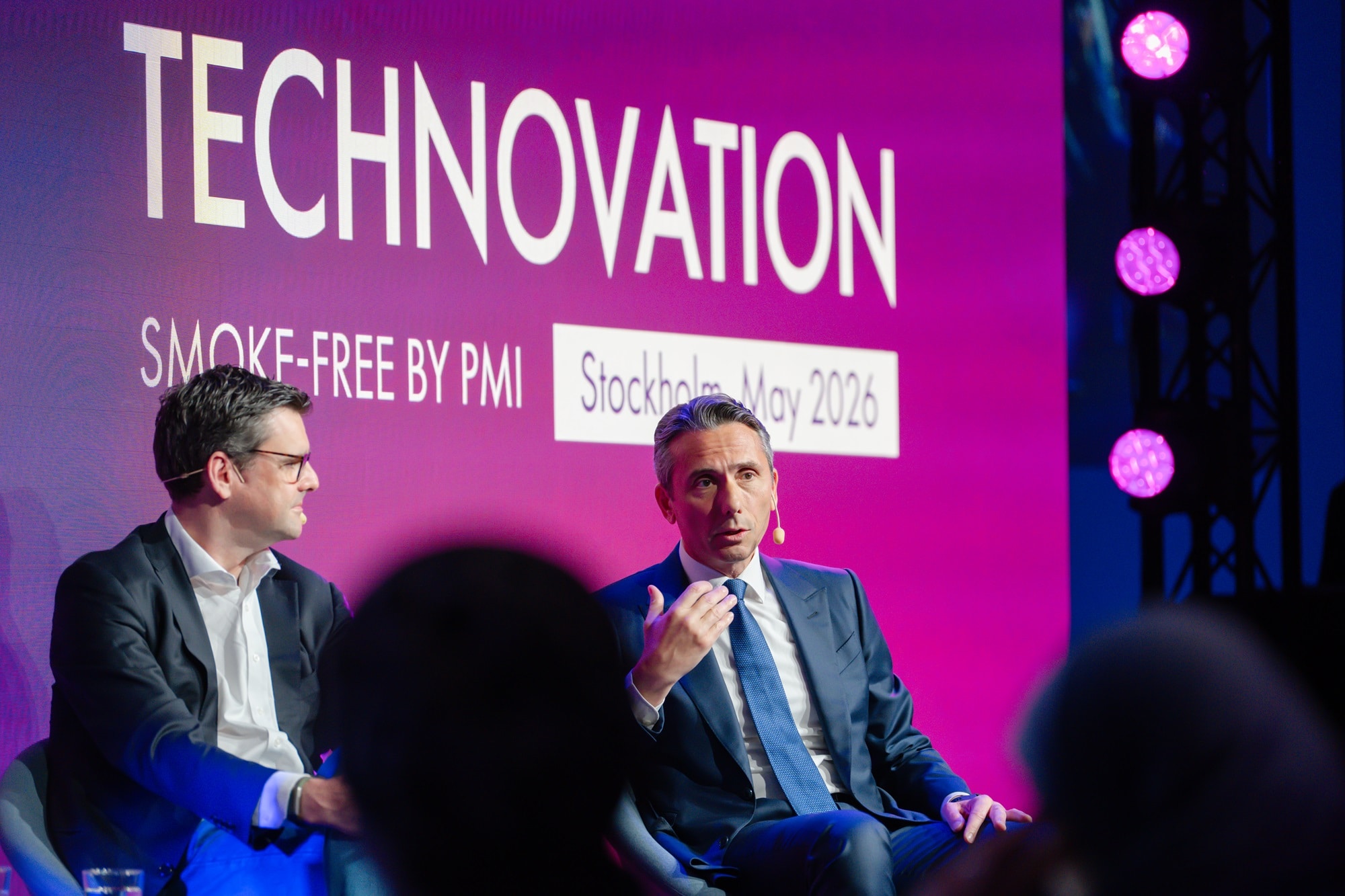
Held at Fotografiska, the renowned museum of photography and contemporary art, the conference was built around the idea of a future in which traditional cigarettes may eventually become products of the past. At the conclusion of the event, organizers symbolically unveiled a museum-style display featuring cigarettes as historical objects, illustrating their vision of a “smoke-free” future.
Sweden at the Center of the Discussion
A significant part of the discussions focused on what participants referred to as the “Swedish model.” Sweden is currently considered the country with the lowest smoking rate in the European Union, with approximately 5.4% of the population smoking — close to the level the World Health Organization defines as “smoke-free.”
According to panelists, Sweden’s decline in smoking rates is linked not only to traditional tobacco control measures, but also to the widespread use of smoke-free alternatives such as snus, heated tobacco products, and nicotine pouches. Discussions centered on the idea that products should be regulated according to their relative level of risk, and that adult smokers should have access to alternatives considered less harmful than conventional cigarettes.
Technology and Science as Key Drivers
Throughout the conference, speakers repeatedly emphasized the role of scientific research and technological innovation in the development of smoke-free products. According to data presented during the event, PMI has invested more than $16 billion in the development of smoke-free alternatives since 2008. Its portfolio includes heated tobacco products, e-cigarettes, oral nicotine products, and nicotine pouches.
One of the recurring themes was the argument that the greatest harm from smoking comes primarily from the combustion process rather than nicotine itself. Smoke-free products were presented as alternatives designed to reduce exposure to the toxic substances produced by cigarette smoke.
Another topic explored during the event was how public perception and skepticism influence the acceptance of innovation. Speakers argued that many technologies now widely accepted initially faced resistance and distrust, suggesting that the debate around smoke-free alternatives is currently going through a similar phase.
The Debate Around Regulation and Public Policy
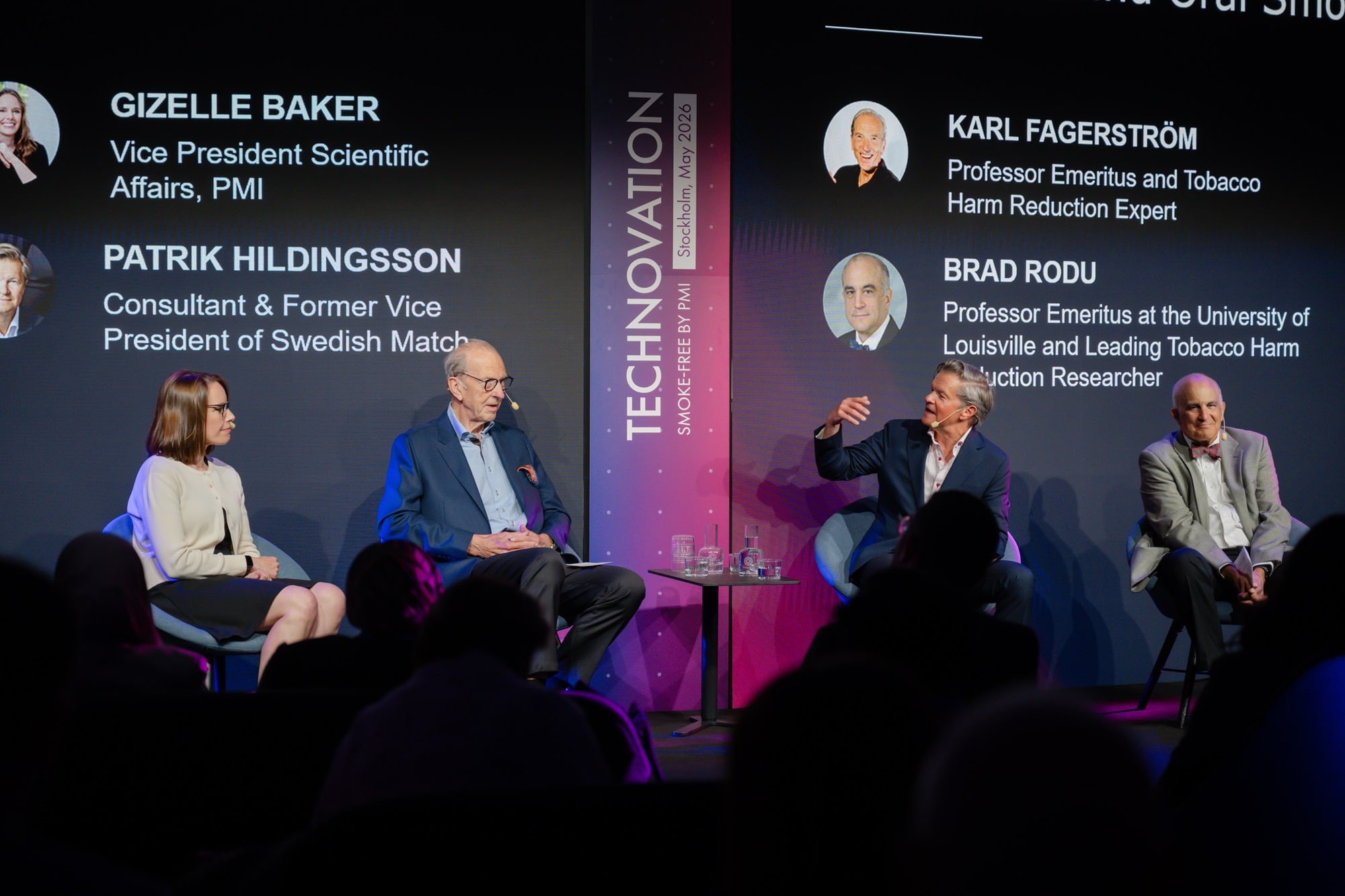
One of the conference’s key sessions focused on harm reduction policies and the challenge governments face in balancing public health protection with real-world consumer behavior. Panelists argued that outright bans or excessively restrictive regulations may lead to unintended consequences such as illicit trade, counterfeit products, and continued cigarette consumption.
At the same time, participants stressed that nicotine products are not risk-free and should not be used by youth or by individuals who do not already consume nicotine. For this reason, the conference also highlighted the importance of strict regulation, age verification measures, and clear product standards.

Technovation 2026 once again placed the future of tobacco control at the center of international debate. Through discussions on science, innovation, and the Swedish experience, the event highlighted how the global conversation is increasingly shifting toward harm reduction approaches and the transformation of adult consumer behavior.
