


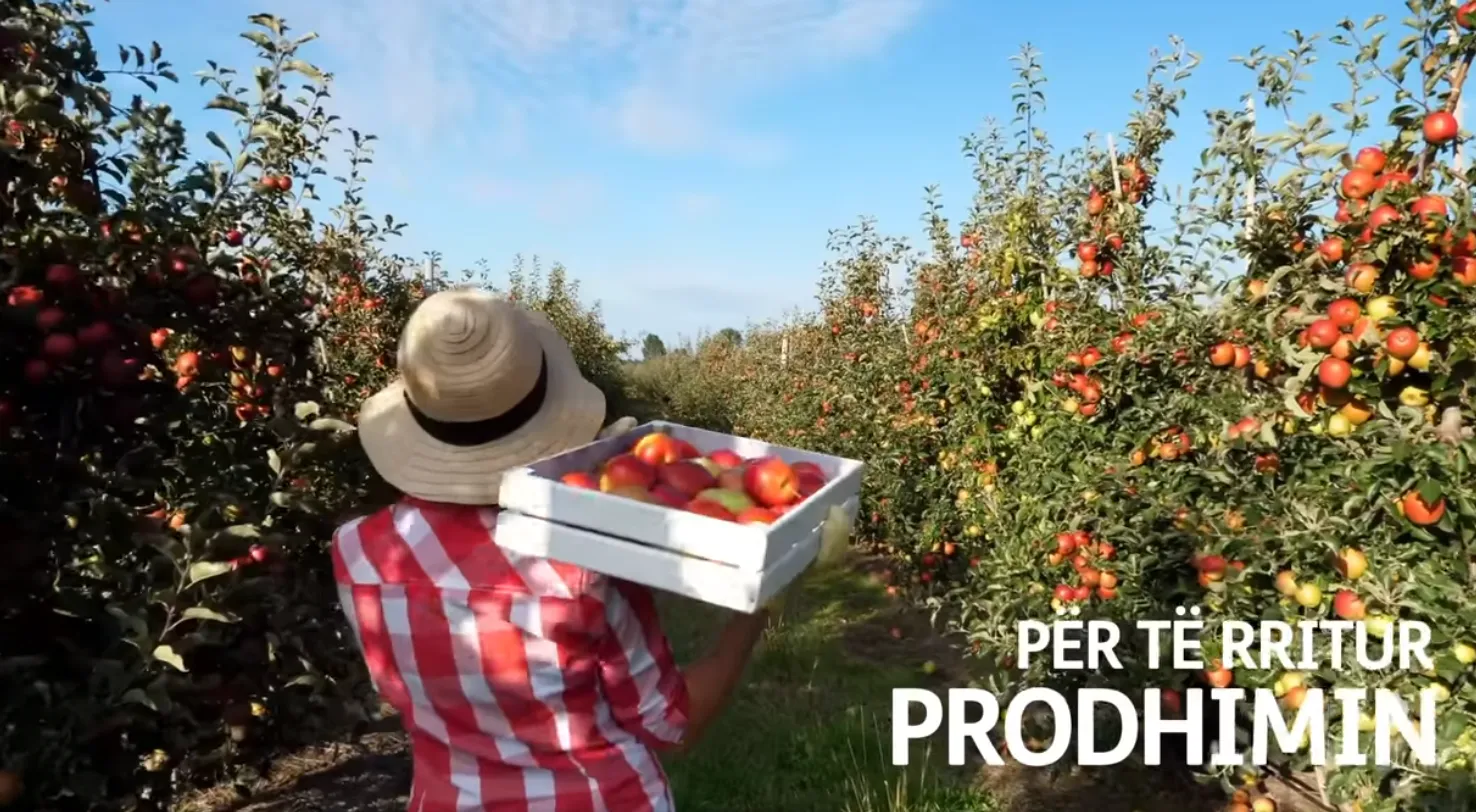
Albania does not yet have a consolidated and reliable system to measure how much food production is lost on farms before it reaches the market. Although previous studies and initiatives have been carried out, losses at the agricultural production stage are rarely measured and not continuously monitored at the national level.
The issue is highlighted in the recommendations document for Albania of the European FOLOU project, which proposes the creation of a national measurement and prevention system, starting in 2027 with pilot projects for fruits and vegetables in 2–3 regions of the country and aiming for nationwide rollout by 2030.
The document was prepared by YPARD Albania and the Institute for Albanian Municipalities, with the support of ACR+, as part of the Horizon Europe research and innovation program.
To address the lack of data, the document proposes a national roadmap for the period 2027–2030, which initially provides for pilot projects and then the gradual expansion of the measurement and prevention system.
During 2027, it is recommended to begin measurements for fruits and vegetables in 2–3 representative regions of Albania. These products are considered priority due to their rapid spoilage and the risk of losses before, during, and after harvest.
The pilot areas should represent different agricultural production systems, including intensive horticulture in the plains, mixed hilly farms, and mountainous areas focused on livestock.
At this stage, it is proposed to identify not only the quantities lost but also the factors causing them, including harvesting techniques and timing, storage conditions, transportation, handling, and sales opportunities.
During 2028–2029, the proposed program envisages expanding measurements to additional products and regions, mobilizing funding, and creating a digital platform for data collection and analysis. During this period, it is also recommended to review the national strategy and plan for preventing food losses and waste.
By 2030, the system is intended to be extended nationwide, with periodic measurements and integrated monitoring within existing institutions, including the National Statistical Institute (INSTAT) and the relevant ministries.
The authors propose that the methodology be based on the European technical standard CWA 18410:2026 and linked, where possible, to the upcoming agricultural census and the Farm Sustainability Data Network (FSDN). The goal is not to create parallel statistical structures, but to leverage existing systems.
Approximately 359,000 small farms, need for investments and alternative financing
The implementation of measures to reduce losses is also hampered by the fragmented structure of Albanian agriculture.
According to a World Bank analysis cited in the document, Albania has around 359,000 farms, with an average size of approximately one hectare. The small scale limits many farmers’ ability to individually afford investments in storage facilities, refrigeration units, technological equipment, or logistical systems.
For this reason, FOLOU recommends joint solutions, including collective crop aggregation, the use of shared storage capacities, and improved connections to local markets. The document also suggests involving young people and agritech entrepreneurs in developing digital tools, early warning systems, and affordable solutions.
Another recommendation concerns the financing of these investments. Considering the IPARD III accreditation process, which at the time of the document’s preparation in October 2026 had not yet been completed, the authors suggest that projects for measuring and reducing losses should not depend exclusively on this program.
Alternative options include national budget lines, the European Union’s Reform and Growth Mechanism for the Western Balkans, donor programs, and blended or concessional financing.
According to the recommendations, funds should be directed toward interventions with measurable impact, rather than support being limited to financing equipment or infrastructure without a prior needs assessment.
In this context, it is proposed that existing storage, cooling, aggregation, and transport capacities be identified in the pilot areas to determine where concrete gaps exist that can be funded.
FOLOU also calls for the involvement of central institutions, municipalities, farmers’ organizations, and international partners in a coordination mechanism that would monitor results and avoid project overlap.