
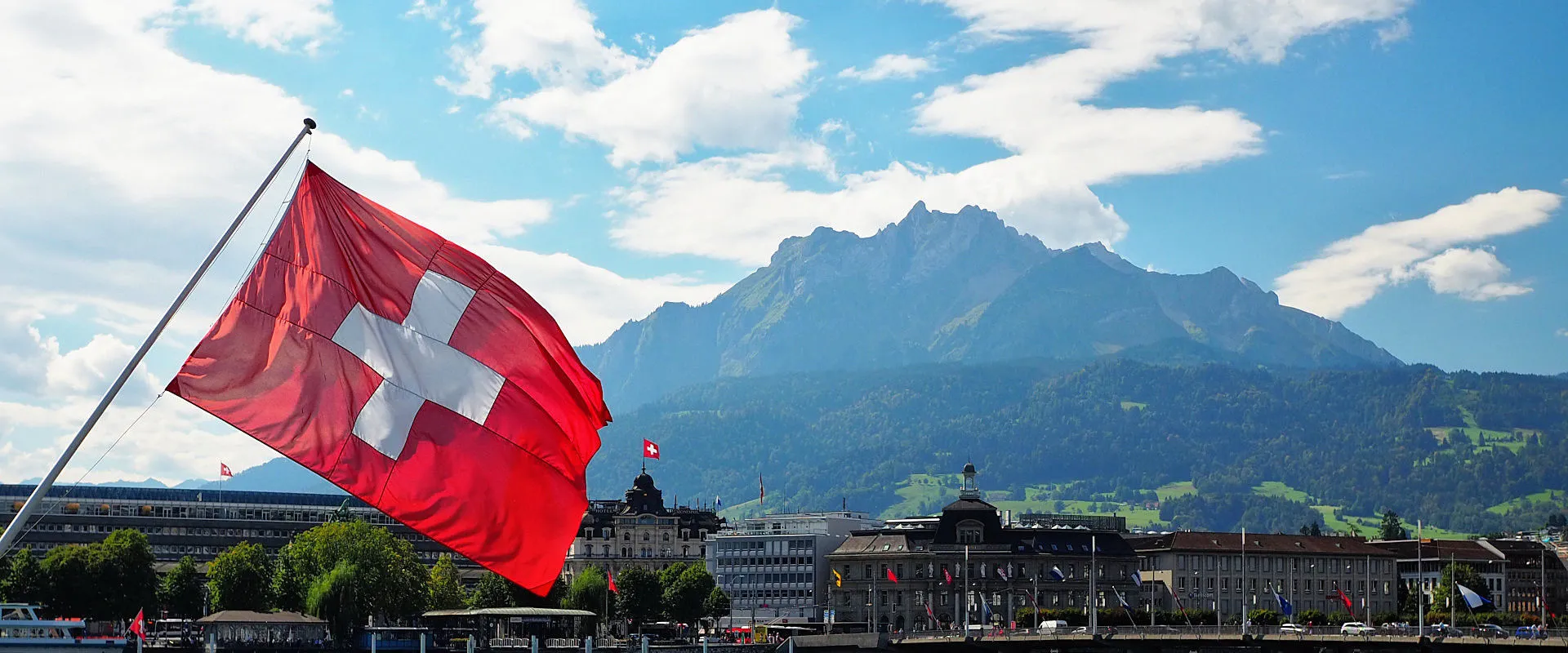
Switzerland will offer up to 8,500 work and residence permits in 2027 for qualified employees and specialists from countries outside the European Union and the European Free Trade Association, including citizens of Albania and Kosovo.
The Swiss Federal Council, at its November 25 meeting, decided to keep the employment quotas for foreign nationals unchanged, so that Swiss companies can continue to meet their needs for qualified labor.
Of the 8,500 permits allocated for third-country nationals, 4,500 will be type B residence permits, while 4,000 will be type L short-term residence permits. The amended regulation will take effect on January 1, 2027.
Swiss companies are entitled to recruit employees from countries outside the EU and EFTA, provided they document that efforts to find qualified workers in the domestic market or in EU and EFTA countries have been unsuccessful.
However, data from Swiss authorities show that in recent years the available quotas have not been fully utilized. In 2025, companies used only 69% of the available permits for employees from third countries, compared to 74% in 2024.
By the end of September 2026, the Swiss cantons had utilized about 50% of the annual quotas for this category of workers.
The Swiss government has also decided to maintain the quota of 3,500 permits for British workers and another 3,500 permits for service providers from EU and EFTA countries who engage in Switzerland for more than 120 days a year.
The decision was made at a time when the Swiss labor market is showing signs of slowing. In September 2026, the unemployment rate reached 3%, marking an increase of 0.2 percentage points compared to the same period a year earlier.
According to the Federal Council, maintaining the quotas at current levels provides businesses with greater certainty in planning their recruitment, taking into account the geopolitical situation, economic forecasts, and labor market needs.
For Albanians seeking employment in Switzerland, the decision means maintaining existing recruitment opportunities. However, the quota of 8,500 permits is shared among all third countries and does not constitute a quota reserved for Albanian citizens.