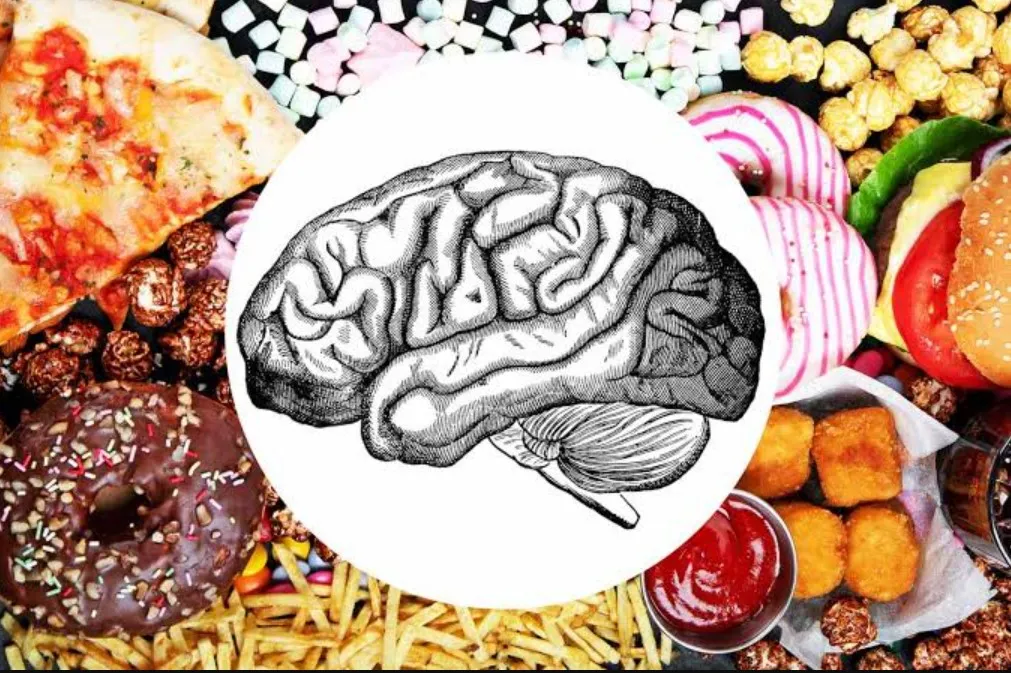
If you’ve recently noticed memory problems or difficulty remembering everyday things, one of the factors that could be at play is your diet. A new scientific study suggests that consuming foods high in fat and sugar can damage memory functions, while returning to a healthier diet may help improve them.
The research shows that changing eating habits can restore some of the cognitive abilities affected by an unhealthy diet, although the recovery is not necessarily complete.
How was the study conducted?
The study was conducted by researchers at the University of Technology Sydney (UTS), in Australia, and was published in the scientific journal “Nutritional Neuroscience.”
The researchers analyzed 27 studies conducted on experimental animals, examining the link between nutrition and memory functions. From approximately 6,300 data points initially reviewed, the team selected the studies that provided the most suitable conditions for a detailed analysis.
In the experiments included, The rodents were divided into three categories: those that followed an unhealthy diet from the start, those that were fed healthily throughout, and those that initially consumed foods rich in fat and sugar but then switched to a healthier diet.
After at least two weeks of consuming high-fat or high-sugar foods, the animals were returned to a healthy diet and then underwent tests to assess memory and behavior.
What happens to memory when we give up unhealthy foods?
The results showed that the rodents that stopped the high-fat, high-sugar diet performed better on memory tests compared to those that continued consuming the same foods.
However, the improvement was not complete. The animals that changed their diet still had slightly lower results than those that had followed a healthy diet from the beginning.
Another interesting finding related to the type of food. The memory improvement was most pronounced in rodents that had consumed a high-fat diet and then switched to a healthy diet. In contrast, high-sugar diets, or a combination of sugar and fat, did not show the same significant results.
The greatest improvement was observed in spatial memory, that is, the ability to recall the location of objects within a given space.
Does the duration of the unhealthy diet matter?
The researchers also noted that the duration of exposure to unhealthy foods played an important role. The longer the rodents remained on a diet rich in fat and sugar, the more pronounced the changes in memory test results were after switching to a healthy diet.
In addition to memory, the research team also examined possible changes in mood, behavior, anxiety, and depression-like symptoms. However, no clear improvement was observed in these areas after the dietary change.
Regardless of the results, the researchers emphasize that the study was conducted on rodents, not humans. For this reason, further studies are needed to understand whether the same effects can be observed in people.
However, the findings suggest that improving one’s diet can help recover some of the memory functions affected by an unhealthy diet, without guaranteeing their full return.