


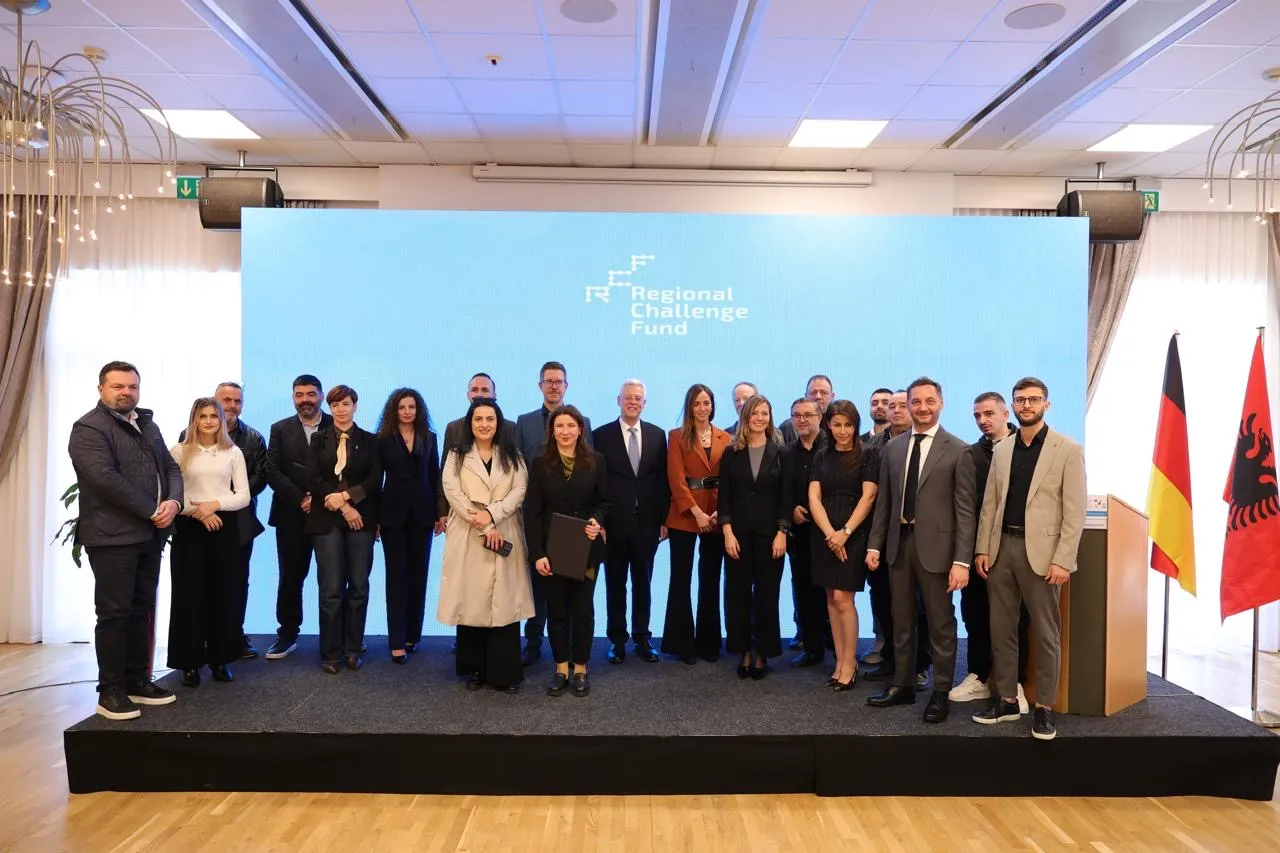
Ten providers of education and vocational training receive grants for collaborative training programs designed in partnership with Albanian companies.
Ten new skills development projects from Albania received letters of commitment for investment at a ceremony organized by the Regional Challenge Fund in Tirana. The Fund, supported by Germany and Switzerland, recently announced the winning applications for the fourth round of its program, which offers grants for education and vocational training (EVT) courses jointly designed by companies and EVT providers in the Western Balkan region.
The 10 most successful projects from Albania are proposed for funding in the Fourth Call of the Regional Challenge Fund (RCF), with approximately €4.3 million for investments in equipment, infrastructure, and training at vocational training institutions implementing collaborative training. The full list of winners is available here.
RCF strengthens the sustainable competitiveness of businesses in the Western Balkans 6 on the path to the EU’s single market by financing VET providers and addressing skills needs in collaboration with companies. The fourth round of applications attracted 187 expressions of interest from the region, of which 86 consortia were selected and invited to submit a full application. Of these, 18 consortia of vocational training institutions and enterprises were from Albania.
Mr. Renato Vasili, Regional Coordinator of the RCF, welcomed participants at the Fourth National Grant Award Ceremony in Albania. The fourth call generated great interest across the Western Balkans, with 38 consortia selected in the region. Ten of them are in Albania, with grants totaling around €4.3 million, to train over 1,700 young people in cybersecurity, electric mobility, solar energy, sustainable tourism, fashion, and green cuisine. “After four calls, RCF in Albania has 31 winning projects, with around €14.6 million in investment. Behind these figures are 170 partner companies and 61 collaborative training programs for over 5,100 young people. The institutions and their partners have added €4.8 million from their own resources. “This is confidence,” said Mr. Vasili. He also emphasized that the impact extends beyond Tirana: the projects are implemented in nine cities, in eight of the country’s twelve counties, and 46 percent of the grants, about €6.7 million, go to 13 projects outside Tirana. Mr. Vasili thanked the German Government, through the BMZ and KfW, and Switzerland, through the SDC, for their support, as well as the Ministry of Economy and Innovation and the Western Balkans 6 Chamber Investment Forum (WB6 CIF) for their partnership. Addressing the winning consortia, he said: “We promise to be by your side at every step of implementation. We ask one thing of you: turn these investments into jobs and promising careers for young people.”
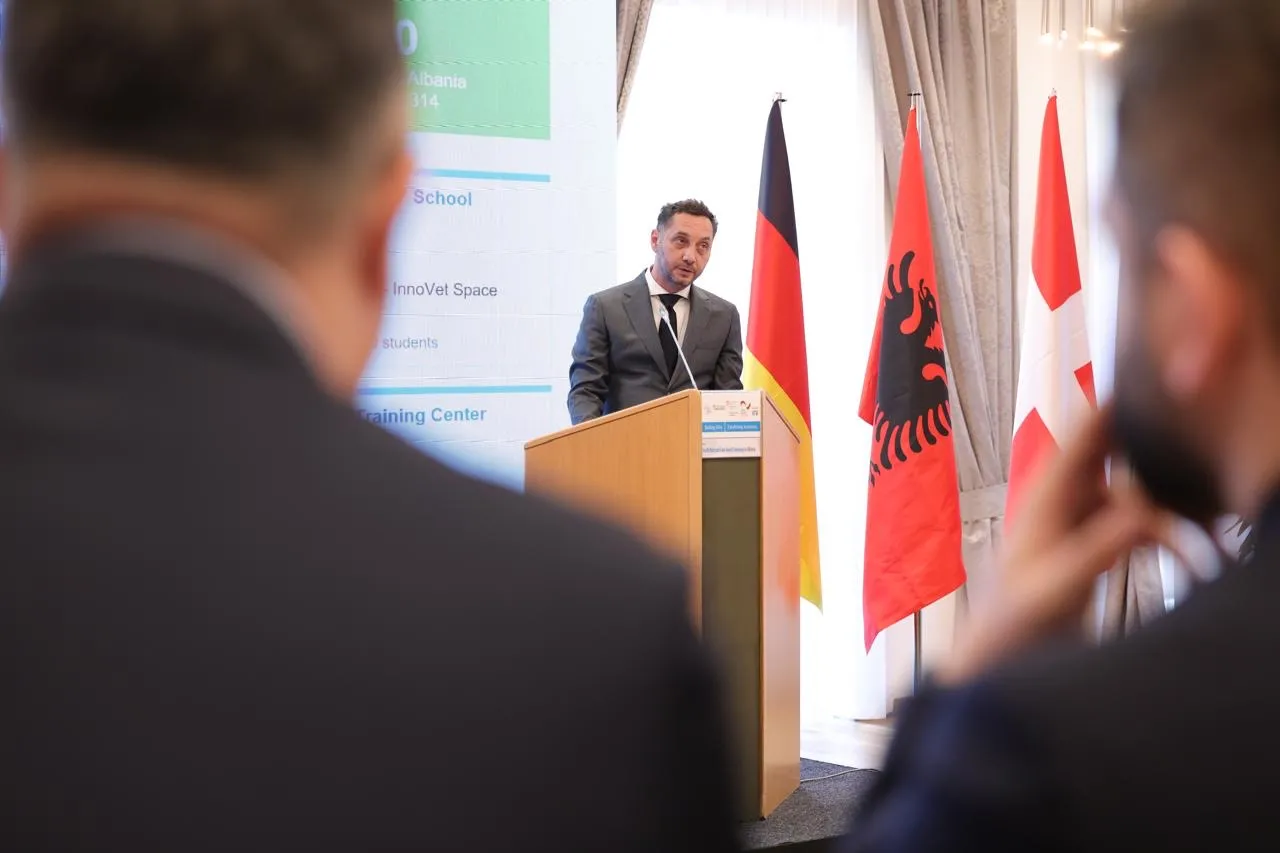
His Excellency Mr. Karlfried Bergner, Ambassador of the Federal Republic of Germany to Albania, congratulated the winning consortia and emphasized that “for Albania, investment in education and vocational training is not simply an opportunity, but a strategic necessity for sustainable growth and well-being.” The vocational training offer must be much more closely aligned with the needs of companies. Close cooperation between training institutions and companies is the only way to gradually narrow the gap that still exists between training content and the real needs of the economy, toward an educational system where theory is the foundation, but practice is the core.” The winning consortia represent eight vocational schools, one university, and one training center, in partnership with 42 companies, while around 1,740 students will benefit from the RCF investments. The Ambassador also stressed that, during this year’s intergovernmental negotiations with Albania, the German Government has allocated an additional 12 million euros for the RCF’s dedicated window for Albania.
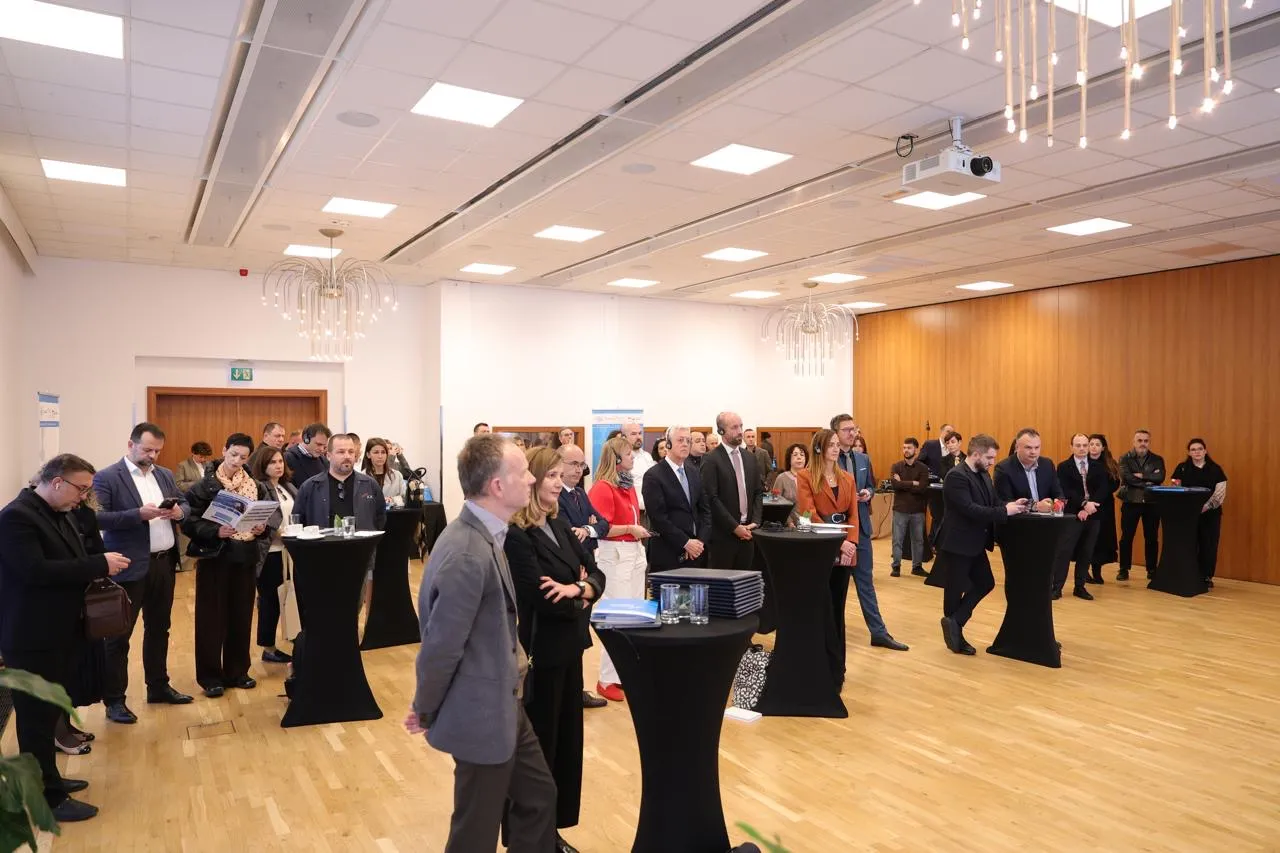
Ms. Veronica Garcia del Arco, Director for Europe and the Caucasus, KfW Development Bank, highlighted the regional importance of the Fund: “One of RCF’s most important contributions is its ability to bring together the two sides of the labor market, which have often operated relatively independently: companies, which know what skills they need, and the providers of education and vocational training, who are responsible for developing those skills. The importance of the Regional Challenge Fund goes far beyond the number of projects financed or the amount of funds committed. Its true achievement lies in the institutional relationships it has helped to create in the region, in the partnerships it has strengthened, and in the long-term changes it is bringing to vocational education in the Western Balkans.”
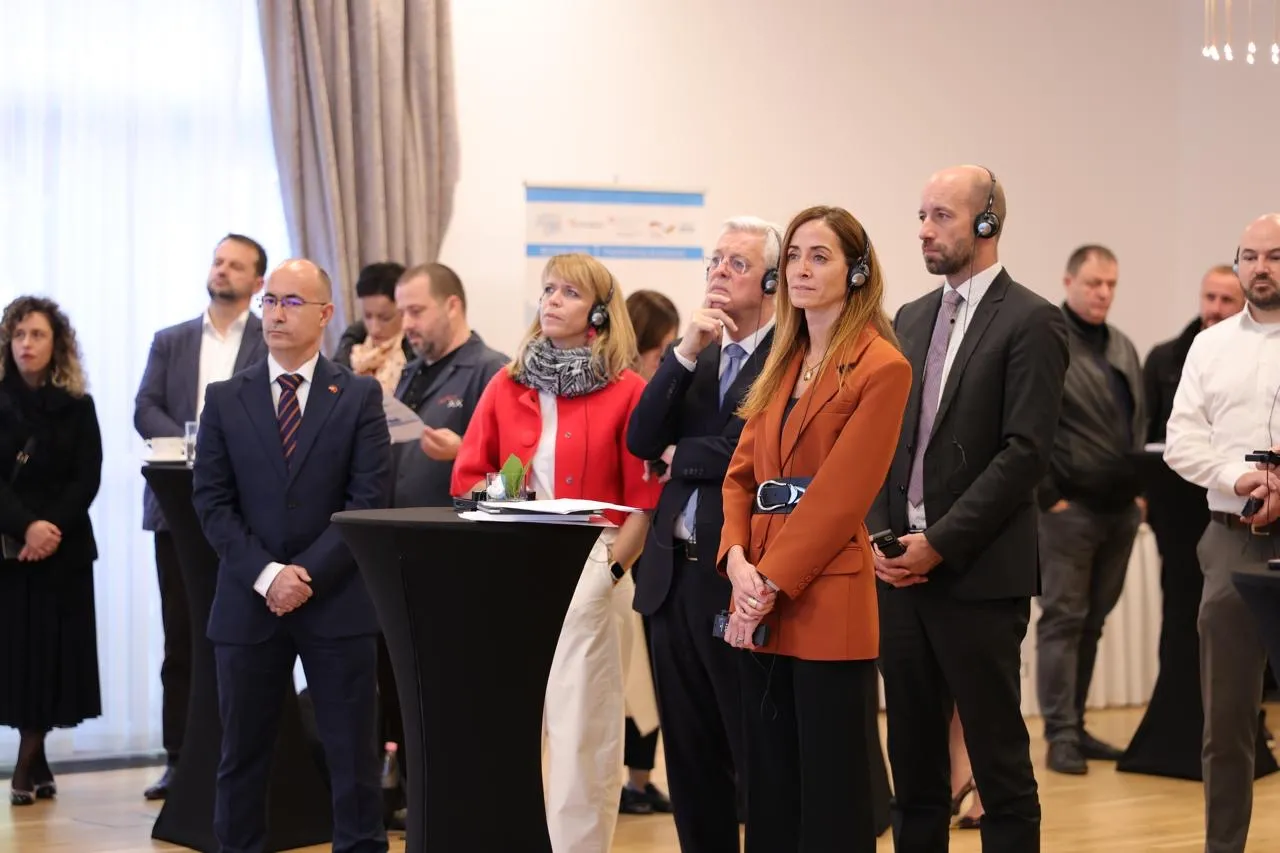
The Swiss Government co-finances the RCF with around 10 million euros for collaborative training projects in the region, the contribution is provided through the Swiss Agency for Development and Cooperation (SDC).
Mr. Philipp Arnold, Deputy Head of Mission at the Swiss Embassy, emphasized that “we are not just celebrating grants. We are celebrating cooperation, the idea that skills development is strongest when education and business work hand in hand.” Switzerland is widely recognized for its vocational education and training system, and one of the main reasons for its success is the central role of the private sector. Regional Challenge Fund applies the same principle. The involvement of 170 companies shows that the private sector understands that investing in skills is not a cost. It is an investment in competitiveness, innovation, and future growth.”
The ceremony brought together representatives from the German Embassy, the Swiss Embassy, KfW Development Bank, SDC, OeAD, the Regional Challenge Fund, technical experts, and the winning consortia from Albania to mark this success.
