


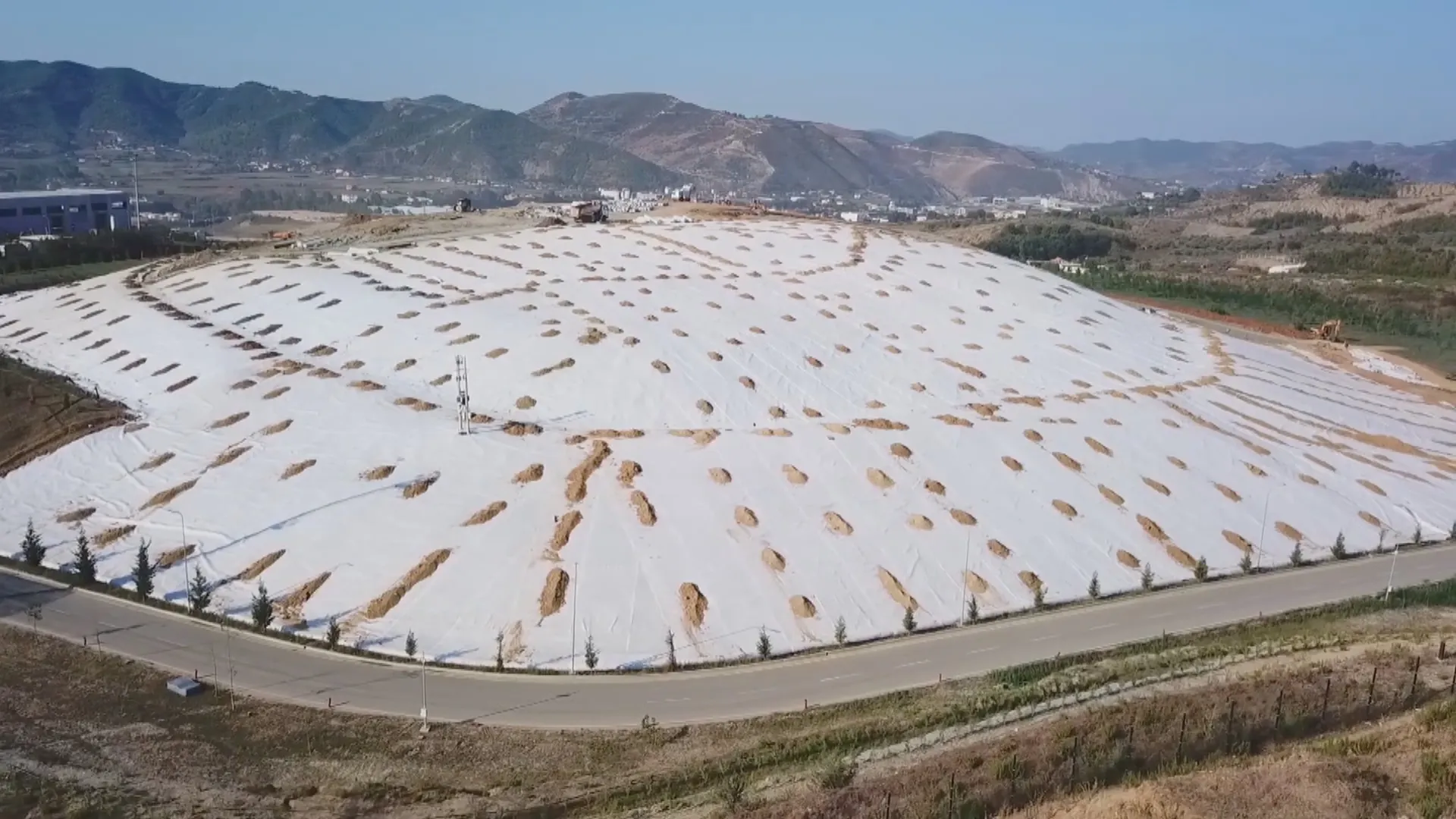
The World Bank recommends that Albania not undertake new investments in waste-to-energy plants without first ensuring competitive and transparent procurement procedures, reliable contract oversight, and a functional waste collection and treatment system.
In its latest report on Albania, the World Bank devotes a special section to incinerators in Albania, highlighting the problems that have accompanied the Tirana and Elbasan concessions.
According to it, the incineration concessions in these two cities have been the subject of investigations regarding non-competitive procurement procedures and contract enforcement. These developments have raised concerns about the cost-benefit ratio of public funds, exposure to fiscal risks, and the independence of contracting processes.
The report assesses that investments in incineration are particularly vulnerable to governance weaknesses, as they require significant capital and typically rely on long-term concessions. For this reason, they require a steady supply of waste, cost-covering fees, clear contracts, and effective oversight from the responsible institutions.
The World Bank highlights that the Albanian waste sector continues to be characterized by unclear institutional responsibilities, fragmented permitting procedures, weak contract monitoring, and procurement transparency issues.
Albania landfills over three-quarters of its waste
The problem is not limited to how contracts are awarded. The World Bank notes that the current waste management conditions in Albania still do not provide a sustainable basis for major investments in thermal treatment.
According to 2023 data, about 76.5% of municipal waste in Albania ended up in landfills, while only 4.6% was recycled or composted. In the European Union, for the same year, landfilling accounted for 22.5%, while recycling and composting accounted for 48%.
The report highlights that in European systems, energy recovery from waste is used for the remaining portion after prevention, reuse, and recycling measures have been implemented. In the EU, during 2024, about 25% of municipal waste was treated through incineration with energy recovery.
In Albania, the situation is different. Source-separated waste remains very limited, collection is mostly done in a mixed manner, and a portion of the waste contains materials unsuitable for efficient treatment. The situation is further complicated by seasonal variations in waste volumes, especially in tourist areas.
According to the World Bank, these conditions make it difficult to secure a predictable, high-quality supply for waste-to-energy plants, increasing the financial risk of investments.
The World Bank does not rule out incineration, but calls for a change in the model
Although it highlights the problems with existing concessions, the World Bank does not recommend excluding incineration from the future waste management system.
On the contrary, the report estimates that thermal treatment can play a transitional role in managing the remaining waste, while sorting and recycling systems are being developed.
However, according to the institution, the order of interventions is crucial. First, the conditions must be created to ensure and track the quantities of waste to be treated, while institutions must demonstrate their ability to develop competitive, transparent, and monitorable procedures.
This means that the choice of technology must be linked not only to the country’s waste treatment needs but also to the institutions’ real capacity to manage costly investments and long-term contracts.
In this context, the World Bank presents several possible public-private partnership models, including the rehabilitation of existing landfills, the construction of integrated treatment facilities, and, under certain conditions, combining landfill rehabilitation with energy production.
As a regional example, the Vinča landfill project in Serbia is cited, a €300 million public-private partnership that combines the rehabilitation of an uncontrolled landfill site with the construction of new waste treatment and disposal facilities.
Independent oversight is needed to restore confidence
Beyond technology, the World Bank calls for changes in how waste management services are planned, contracted, and monitored.
Among the key recommendations are publishing a multi-year investment program and public-private partnerships, developing open competitive tenders, defining public service obligations, and publishing verifiable performance indicators.
The report also proposes the implementation of digital waste weighing and tracking systems, on a “no data, no pay” basis, so that payments to operators are based on documented quantities and services.
Another recommendation directly relates to restoring public trust after the incinerator investigations. The World Bank suggests that the reforms be piloted first in one or two municipalities or subregions, such as the Tirana–Durrës corridor or Vlora, and that the results be independently verified and published.
According to the report, only after these measures have proven effective can the new model be rolled out nationwide.
In this way, the World Bank links the future of incineration investments not simply to the need for new treatment capacities, but to Albania’s ability to ensure competition, control over public spending, and reliable management of the waste system. /ekofin.al
