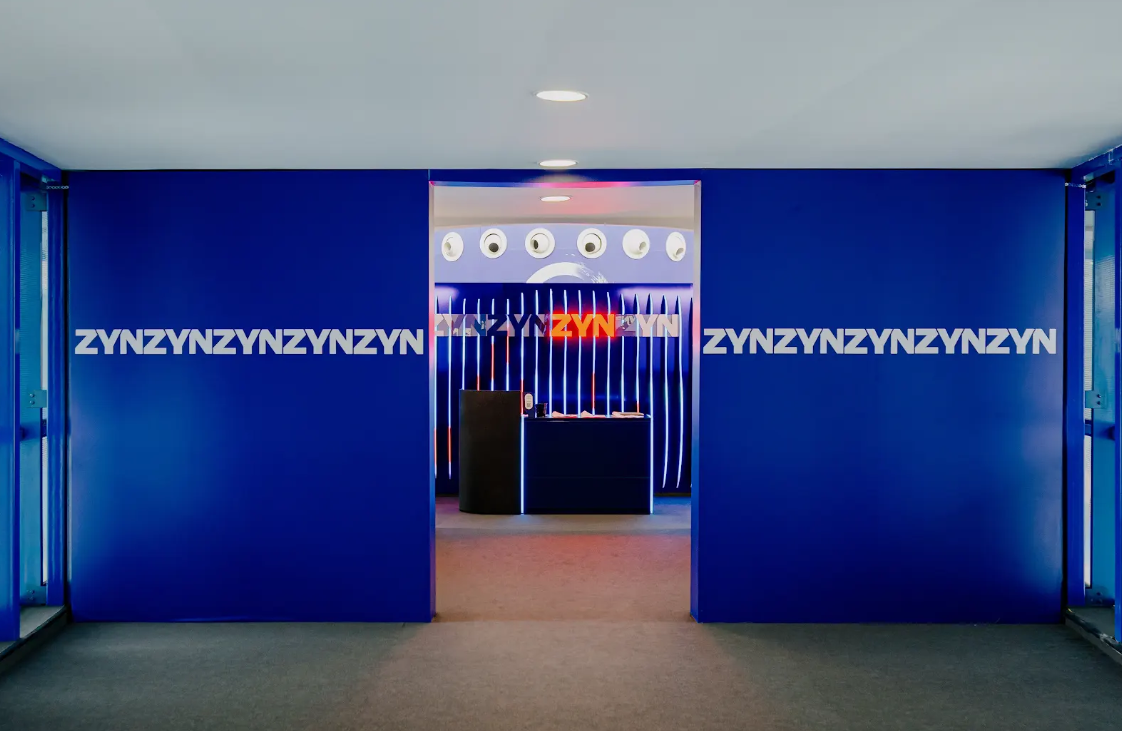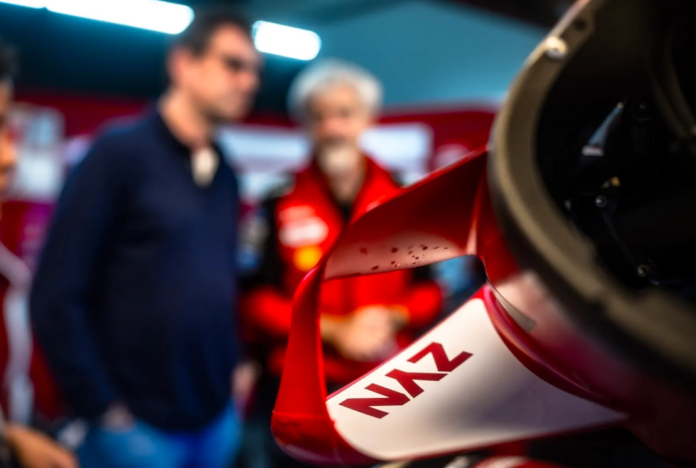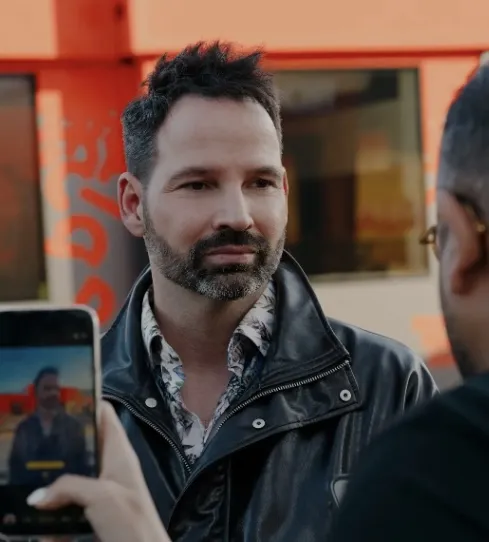
In the race toward a smoke-free future, transformation is not driven by products alone it’s powered by culture, passion, and bold alliances. By partnering with Ducati, a global icon of speed and innovation, Philip Morris International signals a clear ambition: to connect with its consumers where they are. In this conversation, Bryson W. Thornton, Global Communication Director for Smoke-Free Products at Philip Morris International, explores how this long-standing partnership reflects a deeper strategy one that blends consumer passion with the urgent global shift away from cigarettes.
Zyn has been linked with premium partnerships such as Ducati, a brand strongly associated with speed and innovation. What was the strategic thinking behind aligning ZYN with motorsports and that kind of lifestyle?
This is a partnership that has lasted more than 20 years and has evolved over time. We’ve gone through both tough and good periods together and have always stayed aligned.
ZYN is connected to a sport driven by passion. Consumers have interests and passions that motivate them, and we want to communicate with adult consumers who would otherwise smoke or use nicotine, both about our products and about the existence of smoke-free alternatives.
ZYN is part of a category still in its early stages globally. However, in places like the Nordics, especially Sweden – where the use of oral smokeless products, such as snus or nicotine pouches, is widespread – results are outstanding, with smoking prevalence close to 5%, which is the threshold to be considered “smoke-free” by WHO standards.
There are over a billion smokers worldwide. Our goal is that those who don’t quit nicotine entirely switch to smoke-free products. ZYN has strong potential to replicate the Swedish model – a country that reduced smoking rates and related diseases. If we can raise awareness in a way that connects with consumer passions, that’s a major success for us.
Adult consumers across Europe are seeing more smoke-free nicotine alternatives emerge. Where does ZYN fit within this changing nicotine landscape, and what conversations are most important to have with the public right now?
The most important issue is tackling misinformation and disinformation about smoke-free products, whether e-vapor, heated tobacco, or oral nicotine.
There is a continuum of risk in nicotine consumption: with cigarettes being the gretatest harm, while smoke-free alternatives sit lower on that scale. It’s essential that adults who smoke—and those around them— understand this.
We started our smoke-free journey over 10 years ago with IQOS, knowing one product alone wouldn’t replace cigarettes globally. Our goal is to make cigarettes obsolete, something that belongs in museums.
Different consumers have different preferences, which – again – is why no single smoke‑free product will suit everyone.. The best option is the one that ensures an adult smoker never goes back to cigarettes. Whether it’s e-vapor, oral nicotine, or heated tobacco, the focus is on offering options. And the category is still evolving, we may see new solutions emerge in the future.
In markets like Albania and Kosovo, where traditional smoking has deep social roots, what role can smoke-free products play in changing long-established habits?
In such markets, change is more gradual. It starts with providing accurate information about these products and their benefits for those who won’t quit nicotine entirely.
The key is offering a range of alternatives. For example, products like IQOS are designed specifically with adult smokers in mind from the duration of use to materials like filters and paper so the experience feels familiar.
This process and design approach helps accelerate switching, especially for consumers who are deeply rooted in their habits. But the key is to provide solutions that work for different types of smokers.
Looking ahead 10 years, what would you hope policymakers, media, and consumers say about the transition toward smoke-free products?
For policymakers, I hope they reflect positively on embracing a pragmatic approach – creating regulations that both inform and encourage switching to better smoke-free alternatives. Clear differentiation in regulation is crucial to help consumers make informed decisions.
For media, I hope they recognize their role in informing the public accurately, fighting misinformation, doing proper research, and engaging directly with companies and experts.
For consumers, I hope we see continued acceleration in switching. Already, over 43 million adults have moved away from cigarettes to our smoke-free products. We want that number to keep growing for both business success and public health benefits.
Ultimately, at PMI we are doing everything we can to develop and provide better alternatives, but this transformation requires collaboration. It’s not something we can achieve alone.