


Local government will have 114.6 billion lek available in 2027, while transfers from the State Budget will increase to 49.4 billion lek. However, next year is also expected to be a transition period for municipalities due to the new territorial reform, which will come into effect after the local elections. The initially planned funds will need to be transferred to the new municipalities, while local administrations will face the reorganization process.
The local government budget for 2027 is projected to reach 114.6 billion lek, an increase of 2.4% compared to 2026. However, beyond the increase in funding, the main challenge for the coming year will be the administration of funds and the reorganization of local structures following the territorial reform, which is expected to change the current map of municipalities.
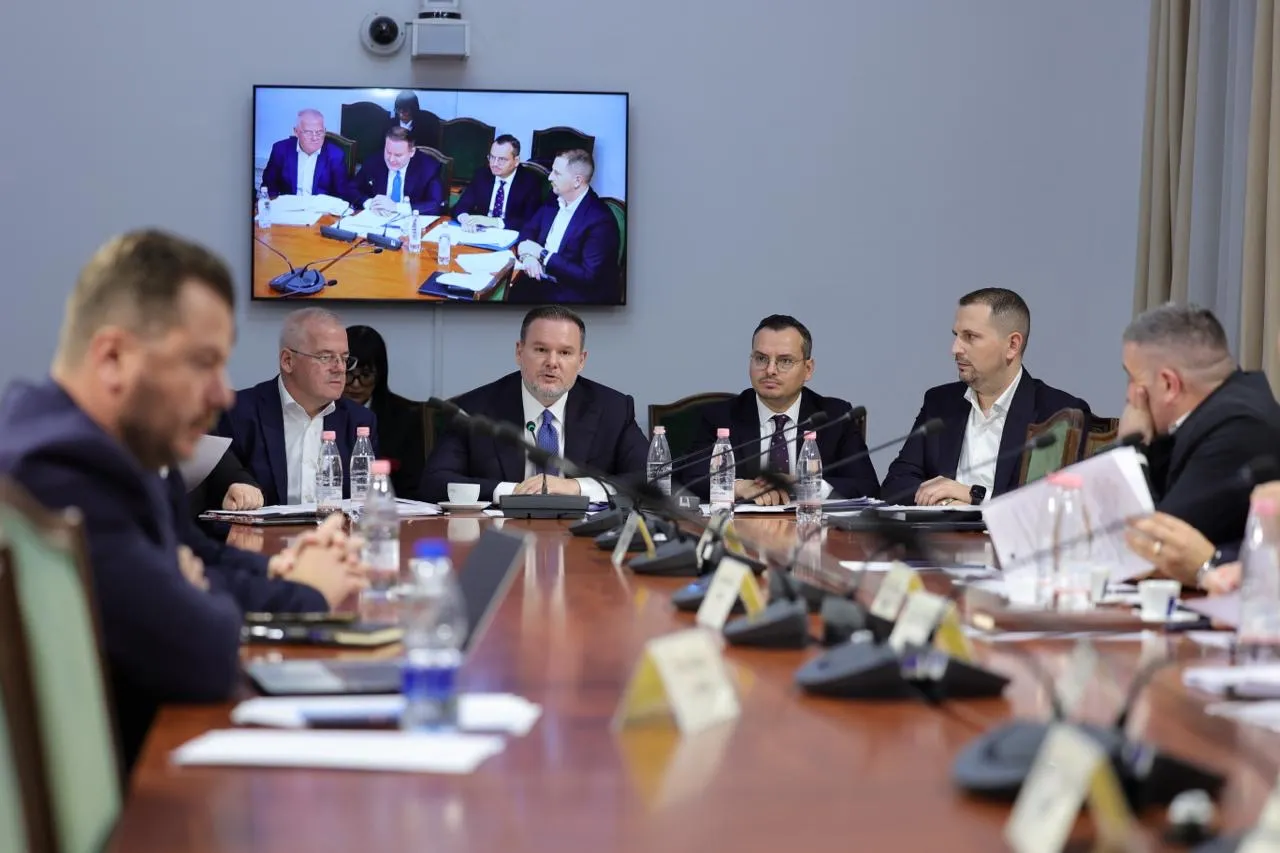
The Minister of Internal Affairs, Ervin Demo, during the presentation of the 2027 draft budget to the Parliamentary Committee on Internal Affairs and Defense, stated that the territorial reform will come into effect almost halfway through the budget year, after the local elections.
This means that the funds currently planned for local self-government units will need to be redistributed and transferred to the new municipalities created by the reform.
“The reform comes into effect almost in the middle of the budget year, after the local elections. Naturally, 2027 will be a year of transition for administrations, for budgets, because even the budgets that we will now allocate through the state budget will be transferred at a certain point to the new municipalities,” Demo declared.
According to the minister, the goal is to consolidate the new municipalities as quickly as possible during 2027, so that they are prepared for the financial and administrative planning for 2028.
This places next year in a special situation, as municipalities will have to continue providing public services and carrying out investments, while some of them will be involved in the process of territorial and administrative reorganization.
Transfers to municipalities increase to 49.4 billion lek
According to the 2027 draft budget, transfers from the State Budget to local self-government units are projected at 49.4 billion lek, or 4% more compared to 2026.
The main portion is the general unconditional transfer, which reaches 29.3 billion lek, an increase of 5.2% compared to the previous year.
This transfer gives municipalities the opportunity to finance their functions and services according to local priorities and needs.
Meanwhile, the unconditional sectoral transfer is projected at 19.9 billion lek, with an increase of 2.4% compared to 2026.
In total, transfers from the central government represent about 43% of the overall local budget planned for 2027.
Minister Demo emphasized that the financial indicators of local government continue to show progressive growth, while funding will be accompanied by reforms aimed at improving the functioning of municipalities.
The digitalization of local services starts from Tirana
One of the main projects that will support the modernization of local government is the digitalization of municipal services, financed by the World Bank.
According to Minister Demo, the project will begin implementation in several municipalities, starting from Tirana, and aims to enable the provision of local services digitally, alongside central administration services.
“Very soon we will have a major innovation regarding local services and the way citizens interact with municipalities across the country,” the minister stated.
The implementation of this project aims to facilitate communication between citizens and businesses with local administration by reducing the need for physical attendance at municipal counters.
Digitalization is considered one of the instruments that will also support the process of reorganizing administrations after the territorial reform.
The AFMIS system, real-time monitoring of each municipality’s finances
Another project being developed with World Bank financing is the AFMIS system, administered by the Ministry of Finance, which will serve for the financial planning and programming of local government.
According to Demos, one of the most important elements of this system will be the creation of an electronic monitoring panel, which will enable real-time tracking of the financial situation of each municipality.
Through this instrument, the responsible institutions will have the opportunity to better analyze the financial status of local units, the allocation of resources, and the needs for support.
This mechanism is expected to gain special importance during the territorial reform, when changes in the structure of municipalities will also require adjustments to budget planning.
The Academy of Local Government will support the new municipalities
Addressing the administrative transition after the territorial reform will also be supported by the Academy of Local Government, TALGA.
Minister Demo stated that the academy now has the necessary capacities to support local administrations, especially those municipalities that will be directly affected by territorial changes.
Support will focus on increasing professional capacities, adapting administrations to new structures, and improving the management of public services.
According to the minister, international partners will also be involved in this process, including Swiss, Swedish, Dutch, and the European Union Delegation, who have expressed their willingness to support the transition.
Demo recalled that the 2015 territorial reform was also accompanied by difficulties during the first phase of implementation, especially in the process of consolidating administrative structures.
For this reason, technical and institutional support is considered important to ensure the functioning of municipalities during the period of changes.
Year 2027, financial and administrative transition for municipalities
In addition to increasing funds, the 2027 draft budget will be implemented at a time when local government is expected to undergo significant organizational changes.
The entry into force of the territorial reform after the local elections will require budget adjustments, fund transfers, and consolidation of the administrations of the new municipalities.
This also raises the issue of the continuity of projects and investments planned by existing municipalities, as well as the management of obligations and financial resources during the transition.
From the minister’s statements, it appears that the government aims for 2027 to primarily serve for the consolidation of new structures, while the planning for 2028 will be carried out based on the new territorial organization.
However, the minister’s presentation did not provide details on the concrete method of redistributing funds among the municipalities affected by the reform, nor on the financial impact that territorial changes might have on their budgets.
These will be among the issues requiring clarification during the review of the draft budget and the concretization of the territorial reform, since the changes will occur within the same financial year. /ekofin.al
