


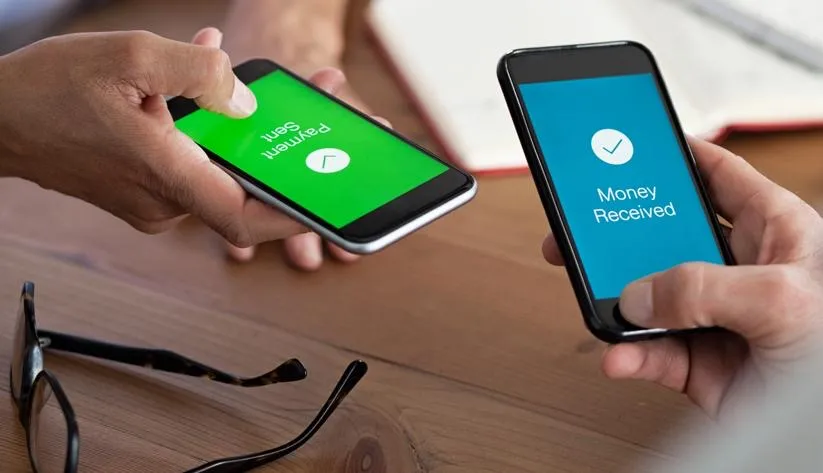
The real-time transfer of money, 24 hours a day, 7 days a week, is one of the main objectives of the payment system reform in Albania. The Clone TIPS project is expected to create a new infrastructure for instant payments, while the economic benefits from the expansion of electronic payments could reach up to 1.5% of the Gross Domestic Product.
The development of the TIPS Clone instant payment system could bring savings of up to 38.7 billion lek per year to the Albanian economy, or about 1.5% of the Gross Domestic Product (GDP). This is one of the main expected benefits from the modernization of payment infrastructure and the expansion of electronic transaction usage in the country.
The figure was made public by the Governor of the Bank of Albania, Gent Sejko, during the 8th international conference on regional card schemes and small-value financial market infrastructures, taking place in Tirana.
According to Sejko, the assessment is based on a joint study by the World Bank and the Bank of Albania, which analyzes the economic benefits of using electronic payments, supported by the instant payments infrastructure.
The TIPS Clone project aims to create a system that enables real-time fund transfers, at any hour of the day and every day of the week, eliminating the time constraints that characterize some traditional bank transfers.
For citizens, this means that the transferred funds are immediately available to the beneficiary, while for businesses it means faster collections, more efficient liquidity management, and reduced costs related to the use of physical cash.
According to the study cited by the Governor, replacing only half of the bill payments currently made in cash with electronic payments can save consumers over 500 million lek per year, while businesses save about 1 billion lek.
In total, we are talking about over 1.5 billion lek in annual savings just from this change in the way bills are paid.
However, the savings of 38.7 billion lek do not represent an effect guaranteed only by the installation of the TIPS Clone system, but an economic potential related to the expansion of electronic payment usage throughout the economy.
The Governor emphasized that the importance of this infrastructure goes beyond the speed of transfers, as it creates opportunities for the development of new financial services, increased use of digital payments, and formalization of economic activity.
In implementing the project, the Bank of Albania is cooperating with the Bank of Italy and European partners, aiming to align Albania’s payment infrastructure with European Union standards.
SEPA, euro transfers up to 20 times cheaper
Another important development in the payments market is Albania’s participation in the Single Euro Payments Area, SEPA, which has brought a significant reduction in costs for international transfers.
According to Governor Sejko, euro transfers to SEPA participating countries cost up to 20 times less compared to the period before accession.
The expected savings for the Albanian economy from this reform are estimated at over 71 million euros per year.
The benefits are particularly related to businesses conducting transactions with European partners, families receiving remittances, and Albanians living, working, or studying abroad.
The reduction of transfer fees is expected to encourage the use of formal banking channels and ease Albania’s economic relations with the European market.
According to Sejko, participation in SEPA and the development of the TIPS Clone system are two strategic steps that bring the Albanian financial system closer to European infrastructures, even before the country’s accession to the European Union.
Digital payments have increased sixfold, with 1.6 million cards in circulation
The modernization of the payment market has been accompanied by a significant change in the behavior of Albanian consumers over the past decade.
Data presented by the Bank of Albania show that the number of digital payments per capita has reached 29 per year, up from only 5 payments a decade ago.
This represents an increase of about 5.8 times, while the current growth rate of digital payments is estimated at around 25% per year.
Meanwhile, the number of bank cards in circulation has reached 1.6 million.
A significant development was recorded during 2025, when for the first time bank cards were used more for making payments than for withdrawing physical cash.
This change indicates a gradual shift in the use of cards from instruments for cash withdrawals towards instruments for everyday payments.
According to the Bank of Albania, improvements in the legal framework, aligned with the European PSD2 directive, have also created opportunities for new payment service providers to enter the market and for the development of open banking.
These changes aim to increase competition, expand alternatives for consumers, and improve tariff transparency.
Electronic payments, an instrument also for formalizing the economy
Beyond cost reduction, the expansion of electronic payments is also considered by the Bank of Albania as an instrument for formalizing the economy.
Governor Sejko emphasized that digital transactions make the economic activity of businesses more documentable and help create a more reliable financial history.
This history can be used by financial institutions to assess repayment capacity and improve access to credit, especially for small businesses.
In this context, Sejko also referred to the Albanian government’s initiative “Albania Cashless,” which aims to reduce the use of physical cash and expand digital payments.
Equipping points of sale with POS/POI terminals, fiscalization, and electronic invoicing are part of the measures supporting this process.
However, the Governor emphasized that the expansion of electronic payments must be accompanied by affordable costs, especially for small businesses, as well as simple services and clear information for users.
Cybersecurity and consumer protection, the challenges of digitalization
The growing dependence on digital payment systems also brings the need to strengthen the security of financial infrastructures.
According to Sejko, central banks must ensure that innovation develops alongside protection against cyber threats, fraud, and service interruptions.
Another challenge is the financial inclusion of citizens who have fewer opportunities or skills to use new technologies.
For this reason, the Bank of Albania considers financial education, data protection, and equal access to payment services as essential elements for the success of reforms.
The international conference, organized for the first time in Albania by the Bank of Albania, the World Bank Group, and the European Card Payments Association, aims to exchange experiences for the development of modern payment infrastructures, cost reduction, and the financial integration of the countries in the region with the European Union. /ekofin.al
