


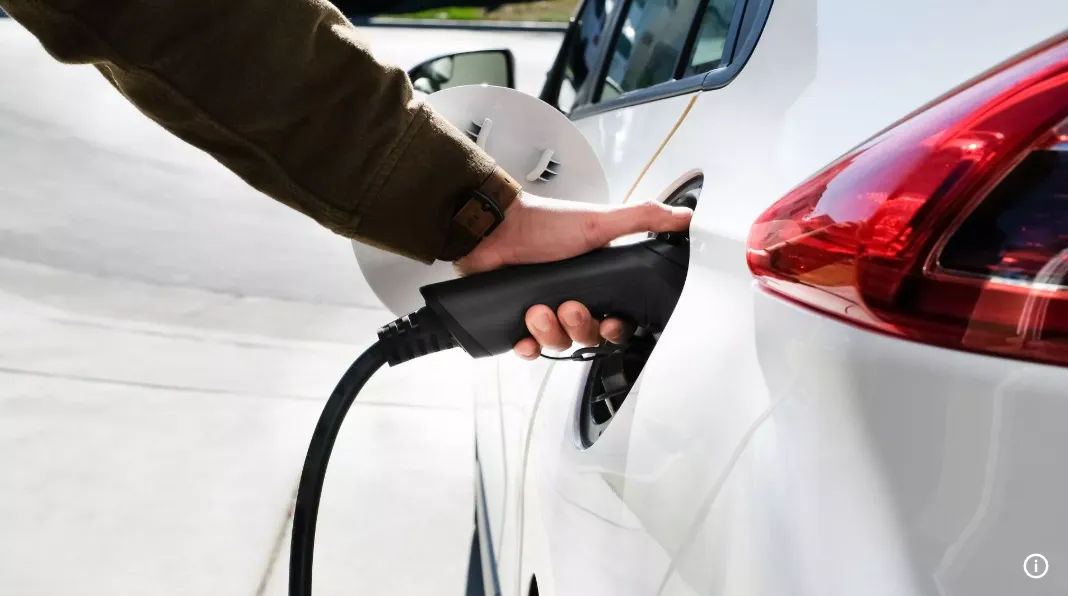
Albania plans to expand the charging network for electric vehicles, with fast stations every 60 kilometers on main road corridors and every 100 kilometers in the comprehensive transport network. The Sectoral Transport Strategy and the 2030 Action Plan foresee 11.5 million euros for the development of alternative fuel infrastructure during the period 2027–2031, alongside drafting new policies to promote low or zero emission vehicles.
The investment aims to improve the use of electric cars for long-distance travel, at a time when the existing charging infrastructure remains fragmented and mainly concentrated in urban areas.
The strategy indicates that the presence of low- or zero-emission vehicles in Albania remains limited, while transport is the fastest-growing sector of greenhouse gas emissions.
To change this situation, the government aims to develop charging infrastructure in accordance with the European Alternative Fuels Regulation (AFIR), including the trans-European transport network TEN-T and major urban centers.
The plan stipulates the placement of fast charging stations every 60 kilometers in the TEN-T core network and every 100 kilometers in the comprehensive network. This means that the infrastructure is intended to extend beyond cities, along corridors connecting Albania with neighboring countries and the European transport network.
However, the strategy does not specify the exact number of stations to be built, the exact locations, or the fees that vehicle drivers will pay for charging.
New supportive policies for electric cars
Alongside expanding the charging network, the strategy foresees the drafting and approval of a special policy document and action plan for zero or low emission vehicles.
This process is scheduled for the years 2028–2029, with an estimated cost of 80,000 euros. The document will include non-fiscal support instruments, vehicle standards, preparation of necessary infrastructure, and measures for fleet modernization.
However, the strategy does not specify a concrete subsidy scheme for citizens who buy electric cars, nor new tax reliefs for individuals. The supporting instruments will be specified in the policy document expected to be drafted.
Expanding the charging network is part of the broader objective to reduce transport’s dependence on imported fossil fuels, improve air quality, and align Albania with European Union environmental standards.
However, achieving the objectives will depend on the implementation of investments, the approval of supportive policies, and the concrete expansion of infrastructure. According to the current programming, part of the expansion of the alternative fuel network will continue until 2031, beyond the main horizon of the 2030 Transport Strategy. /ekofin.al
