


Albania will implement new rules for the control of shipments of animals, food products, plants, and plant products entering the country’s territory starting August 1, 2027. The Ministry of Agriculture and Rural Development has approved the guidance that sets out the detailed procedures for documentary, identity, and physical checks at border points, fully aligning them with the relevant European Union regulation.
The directive, published in the Official Gazette, sets out the obligations of economic operators and the procedures that the authorities responsible for cargo inspections must follow.
For each shipment, the authorities will verify official certificates, accompanying documentation, the destination, and the intended use of the goods. Economic operators responsible for shipments must accurately complete the Common Entry Health Document, ensuring that the information matches the accompanying documentation.
For shipments of animal-origin products and other categories specified in the directive, identity checks will cover 1% of the items or packages, with a minimum of two and a maximum of ten units. If discrepancies are found during the verifications or if the check cannot be completed, the authorities may expand the inspection to include the entire shipment.
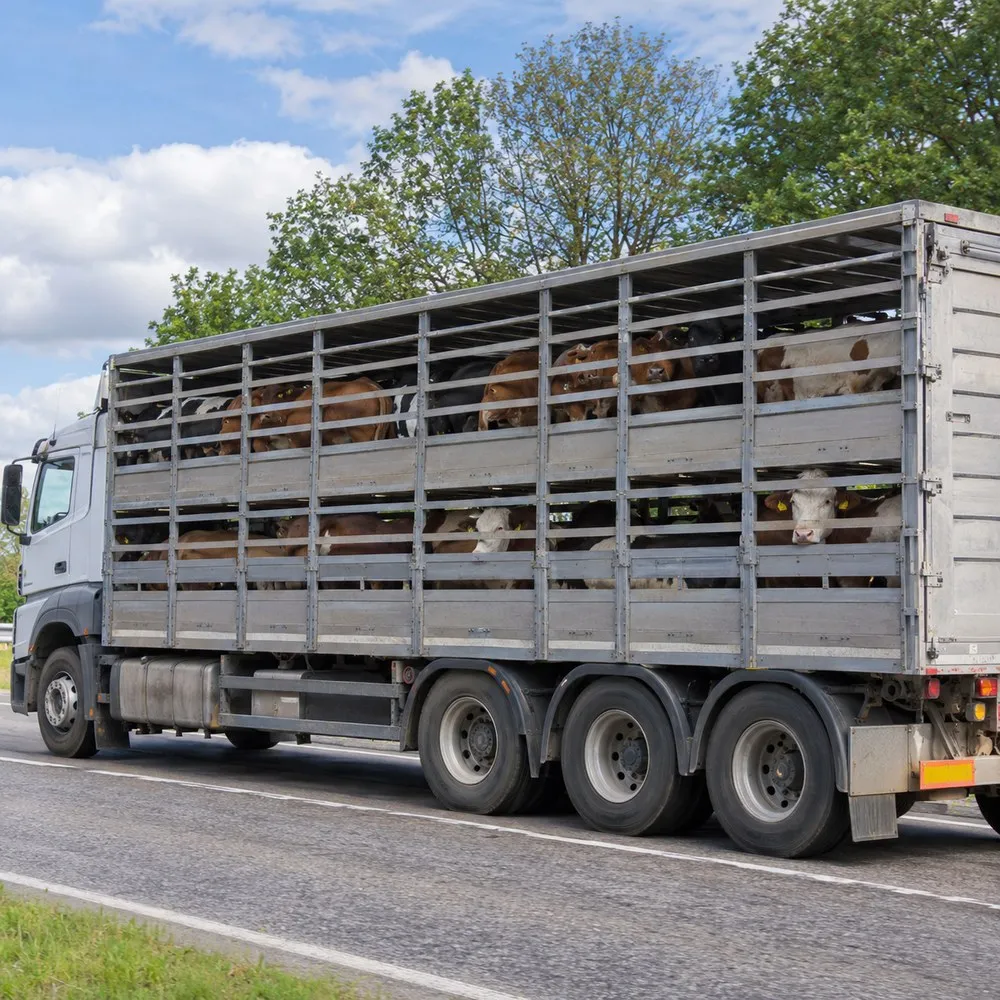
For animals requiring individual identification, checks will cover at least 10% of the total number, with a minimum of 10 animals. For loads of fewer than 10 animals, each animal will be inspected.
Special attention will be paid to food safety and transport conditions. Authorities will verify compliance with required temperatures, the continuity of the cold chain, the integrity of packaging, labeling, and product expiration dates.
Physical inspections will also include examination of product characteristics such as odor, color, consistency, and taste, as well as the conduct of physical, chemical, and laboratory tests.
The responsible authorities must develop a monitoring plan based on a risk assessment, taking into account the nature of the goods, the risk they pose, the number and frequency of incoming shipments, as well as the results of previous controls.
An important element for importing businesses is the possibility of placing certain categories of goods on the market before receiving the results of laboratory analyses, in cases where there is no suspicion of an immediate risk to public, animal, or plant health, depending on the category of the shipment.
Meanwhile, for certain categories of non-animal origin foods that are subject to special control measures, tests will be conducted in an unpredictable manner for economic operators, while the shipments will be held under official detention until the laboratory results are obtained, except in cases where further transport is authorized according to the relevant procedures.
Detailed rules have also been established for imports of plants, seeds, and plant products, with the aim of identifying pests and preventing the spread of diseases.
The official documentation of the consignments will be retained by the border authorities for at least three years from the date of authorization for entry into Albania, while the results of laboratory analyses will be recorded in the Common Entry Health Document for tested consignments that have been placed on the market before the results are obtained.
The directive is part of the implementation of the new law no. 61/2026 on official controls in the field of food safety, animal health and welfare, and plant protection. /ekofin.al
