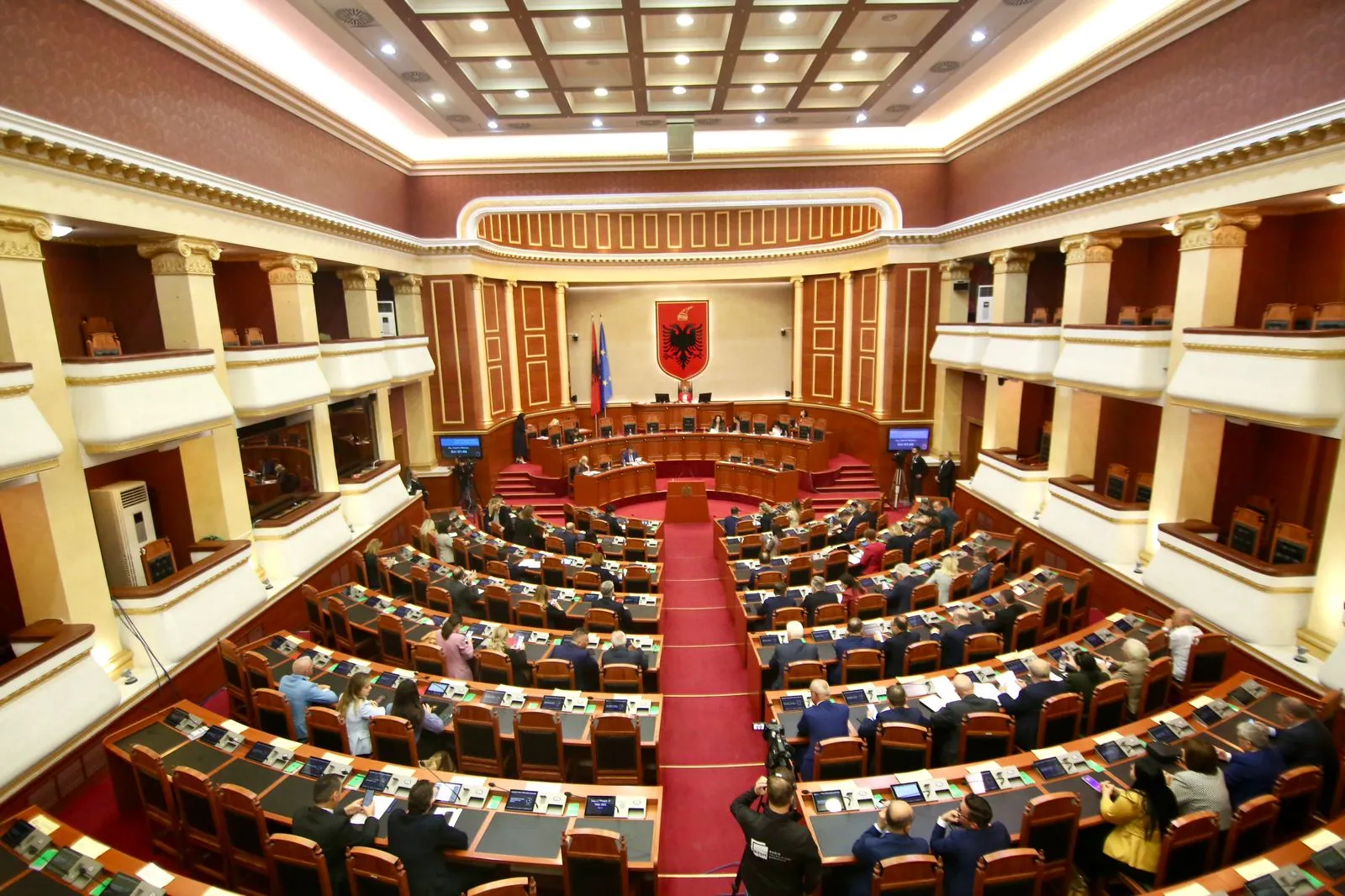
The Assembly approved the 2027 budget and the Fiscal Package laws at midnight. There were surprises again during the session, when the Economic Commission’s proposal for 6% VAT on bottled water was rejected. Also, an amendment by PS MP Briseida Çakëri was voted on the spot to extend the corporate tax exemption for 4- and 5-star hotels and international brands until December 2029.
The 2027 fiscal package brings significant changes to business taxation, consumption, the tourism sector, and vehicle taxation. Among the key measures are an increase in the dividend tax, a reduction in the VAT registration threshold, a change in the standard VAT rate, and a shift of the turnover tax from fuels to annual vehicle taxes.
The package underwent changes during parliamentary review, with differential fiscal treatment for certain categories of businesses, farmers, and domestic tobacco producers.
VAT Threshold Reduced to 5 Million Lek
As of January 1, 2027, the minimum threshold for mandatory VAT registration will be reduced from 10 million to 5 million lek in annual turnover.
Registration will be based on the turnover achieved during 2026. The change expands the number of businesses included in the VAT scheme, adding administrative and tax obligations for small enterprises.
For farmers, the VAT registration threshold will remain at 10 million lek.
Standard VAT increases to 21%, basic foods to 6%
The standard VAT rate increases from 20% to 21%, while for a category of food products, the application of the reduced rate of 6% is provided.
In the initial version of the fiscal package, the government planned to reduce VAT on 54 basic consumer products.
During the parliamentary review, there was also discussion about expanding the list with other products, including feminine hygiene products and baby diapers.
Meanwhile, bottled water will not benefit from the reduced VAT rate but will be taxed at the standard rate of 21%.
The dividend rate rises from 8% to 15%
One of the most significant changes for businesses is the increase in the dividend tax from 8% to 15%.
The new rate will apply to profits distributed from January 1, 2027.
For every 1 million lek in taxable dividends, shareholders will pay 150,000 lek in tax, up from the 80,000 lek they currently pay.
VAT on hotels rises to 10%, tax relief extended
The tourism sector will face an increase in VAT on accommodation services from 6% to 10%.
On the other hand, the Assembly approved extending the deadline until 2029 for the benefit of the profit tax exemption scheme for accommodation facilities that meet the legal criteria for special fiscal treatment.
Payroll Tax Changes
The fiscal package also provides for a revision of the progressive tax brackets on employment income.
The monthly threshold at which the 23% tax rate applies is moved from 200,000 to 300,000 lek, while a higher tax rate is provided for the portion of salaries above 700,000 lek per month.
The changes aim to reduce the tax burden for some middle-income employees and increase taxation for high-income individuals.
The turnover tax on fuels is abolished.
From 2027, the taxation model for vehicles and fuels will also change.
The turnover tax, which is currently applied to every liter of gasoline and diesel consumed, is removed from fuels. Instead, the fiscal burden is shifted to annual vehicle taxes.
According to the approved changes, annual vehicle taxes will increase on average by twofold.
This changes the way vehicle drivers are taxed, shifting from a levy tied to the amount of fuel consumed to an annual levy linked to vehicle ownership.
The financial impact on citizens and businesses will depend on the kilometers traveled, fuel consumption, and vehicle category.
Differentiated excise tax on domestic tobacco is maintained
Another change in the fiscal package concerns the tax treatment of domestic tobacco production.
The excise tax on domestically produced tobacco will continue to be differentiated compared to imports and will not be equalized with the cigarette excise rate.
Changes to Tax Procedures as Well
The fiscal package also includes amendments to the tax procedures legislation, with changes related to the collection of tax liabilities, prepayments, cash payments, and business deregistration procedures.
Overall, the 2027 fiscal changes affect a broad spectrum of the economy, from household consumption and employment income to profit distribution, business activity, tourism, agriculture, and transportation. /ekofin.al