


The German government has approved a draft regulation that foresees halving the annual quota for the employment of citizens from the Western Balkans, from 50,000 to 25,000 initial approvals per year, starting from January 1, 2027.
According to the German public employment and media agency Deutschlandfunk, the federal cabinet approved the initiative on November 4. However, its entry into force still requires approval from the Bundesrat, the chamber representing the German states.
The measure affects citizens of Albania, Bosnia and Herzegovina, Kosovo, Montenegro, North Macedonia, and Serbia, who benefit from the so-called Western Balkans Regulation, established in 2016 to facilitate access to the German labor market.
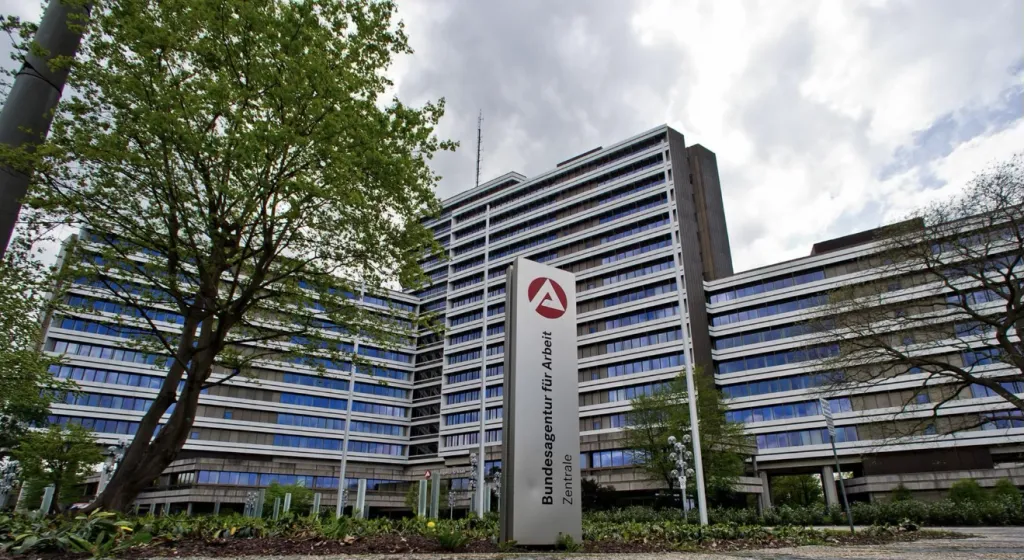
According to the draft regulation, the restriction will apply to initial approvals from the Federal Employment Agency. The employment pathway through this scheme allows obtaining a work visa even for professions that do not necessarily require a recognized professional or university degree.
The decision has been opposed by the Federal Employment Agency, which on October 16 called for maintaining the current quota of 50,000 approvals per year. According to its data, in September 2026, around 546,000 citizens of Western Balkan countries were working in Germany in jobs subject to social security.
The agency argues that the existing quota has not been sufficient to meet demand and warns that halving could make recruiting workers more difficult, especially in construction, transport, logistics, gastronomy, and healthcare.
The German government aims, through restrictions, to offer job vacancies primarily to those available in the domestic labor market. Meanwhile, citizens of the affected countries will continue to have other legal opportunities for employment in Germany, including special schemes for skilled workers. /atsh
