


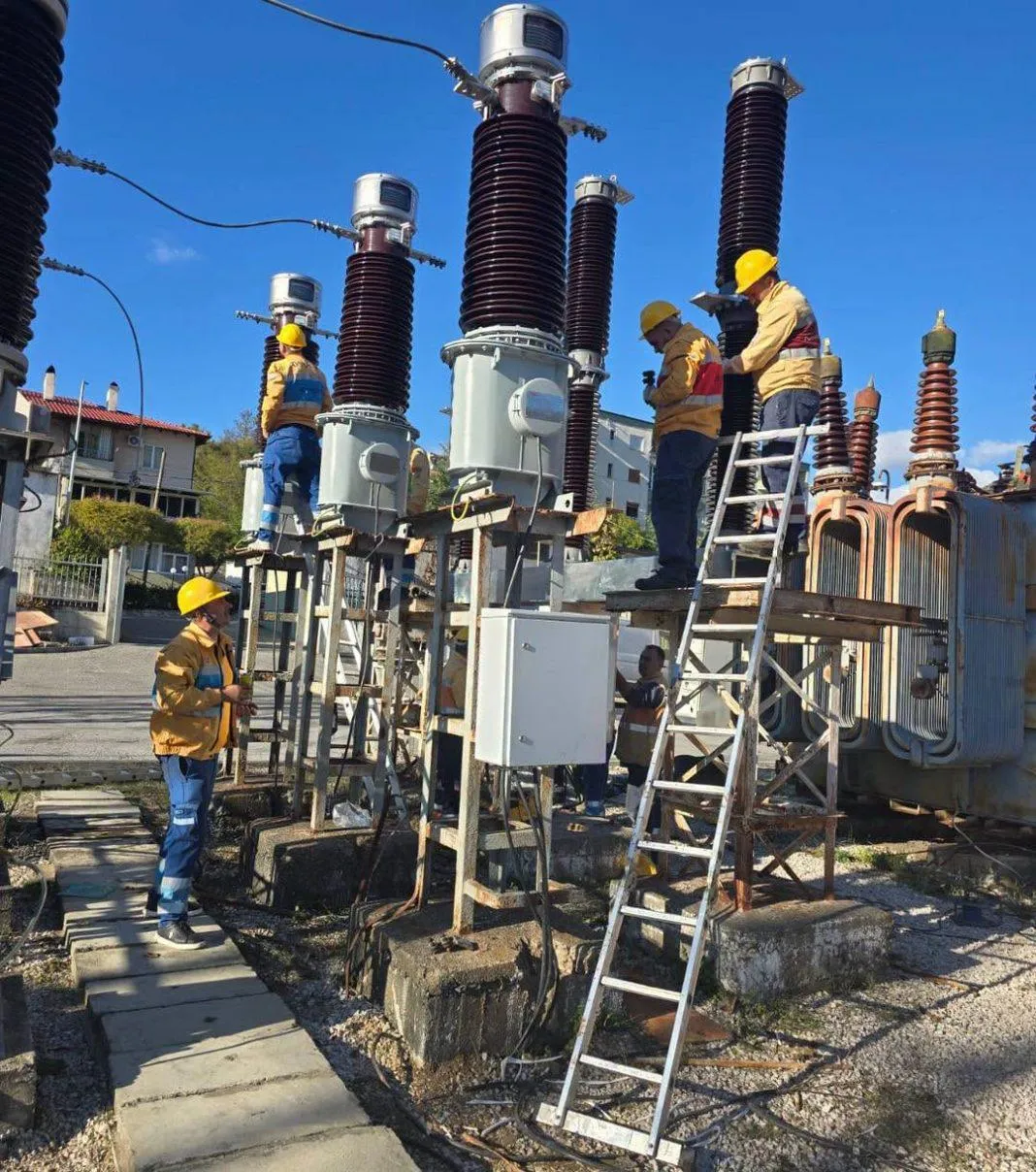
The tragic events of recent months, where several electricians have lost their lives in the line of duty, have brought attention back to the need to strengthen the financial protection of workers engaged in high-risk professions. The Albanian Insurers Association calls for the opening of an institutional discussion on expanding insurance against workplace accidents, proposing that the mandatory miners’ insurance model be taken as a reference also for electricians and workers in the energy sector.
According to recent media reports, the number of electricians who have lost their lives while on duty in recent months has reached nine. In response to these events, the Albanian Insurers Association raises concerns about the economic and social protection of the families of workers who lose their lives in workplace accidents.
In its appeal, the Association emphasizes that the absolute priority must remain accident prevention through certified protective equipment, periodic training, technical inspections, safe work procedures, and rigorous supervision. However, even under conditions of high safety standards, the risk cannot be completely eliminated, so accident insurance at work is considered an essential mechanism for the financial protection of employees and their families.
The association cites as an example the model that Albania has been applying since 2008 for workers in the mining sector. According to Council of Ministers Decision no. 1109, dated July 30, 2008, employers in this sector are obliged to insure employees against work accidents, loss of life, and temporary or permanent disability, with an insurance amount not less than 6 million lek per employee.
This model, according to the Insurers’ Association, demonstrates that Albanian legislation has already recognized the need for additional financial protection in high-risk professions. For this reason, it is proposed that a similar mechanism be considered for electricians, who, while working in the electrical network, on power poles, or in difficult weather conditions, face serious risks to their lives and health.
In its appeal, the Association also presents an illustrative calculation of the cost that a collective insurance scheme could incur for OSHEE employees.
Taking as a reference an insurance amount of 6 million lek per employee and a hypothetical annual premium of 0.5%, the insurance cost would be about 30,000 lek per year for one employee, or 2,500 lek per month.
For a group of 2,000 employees, the total estimated cost would reach 60 million lek per year.
The association clarifies that this is only an illustrative calculation and not a concrete insurance offer, as the real premium must be determined based on the professional risk assessment and the offers of the insurance companies.
However, this example aims to show that employee insurance can be planned as a separate item in the company’s annual budget, creating a sustainable financial protection mechanism.
The Insurers’ Association emphasizes that accident insurance in no case replaces the employer’s responsibility to guarantee safe working conditions, nor the legal liabilities that may arise in case of breach of these obligations.
However, a collective insurance scheme can provide financial compensation to families in case of death, support in case of disability, and coverage of certain medical expenses, depending on the terms of the contract.
In this context, the Association calls for the opening of an institutional discussion to expand workplace accident insurance mechanisms for high-risk professions, starting with the energy sector and taking as a reference the experience of mandatory miners’ insurance.
At the same time, it calls for transparency regarding the current protection of OSHEE employees, assessing that information should be made public on whether electricians and field workers currently have private accident insurance, what coverage the policies cover, and what financial benefits are guaranteed to families in the event of a fatal accident.
According to the Association, employee protection should not be limited only to safety equipment and technical training, but should also include the economic security of their families.
The appeal comes at a time when fatal accidents in the energy sector have brought back into focus not only workplace safety standards but also the need for additional social and financial protection mechanisms.
The Albanian Insurers Association emphasizes that no financial compensation can replace the lost life of an employee, but an insurance mechanism can help ensure that the families of victims do not face, alongside human loss, also severe economic insecurity. /ekofin.al
