


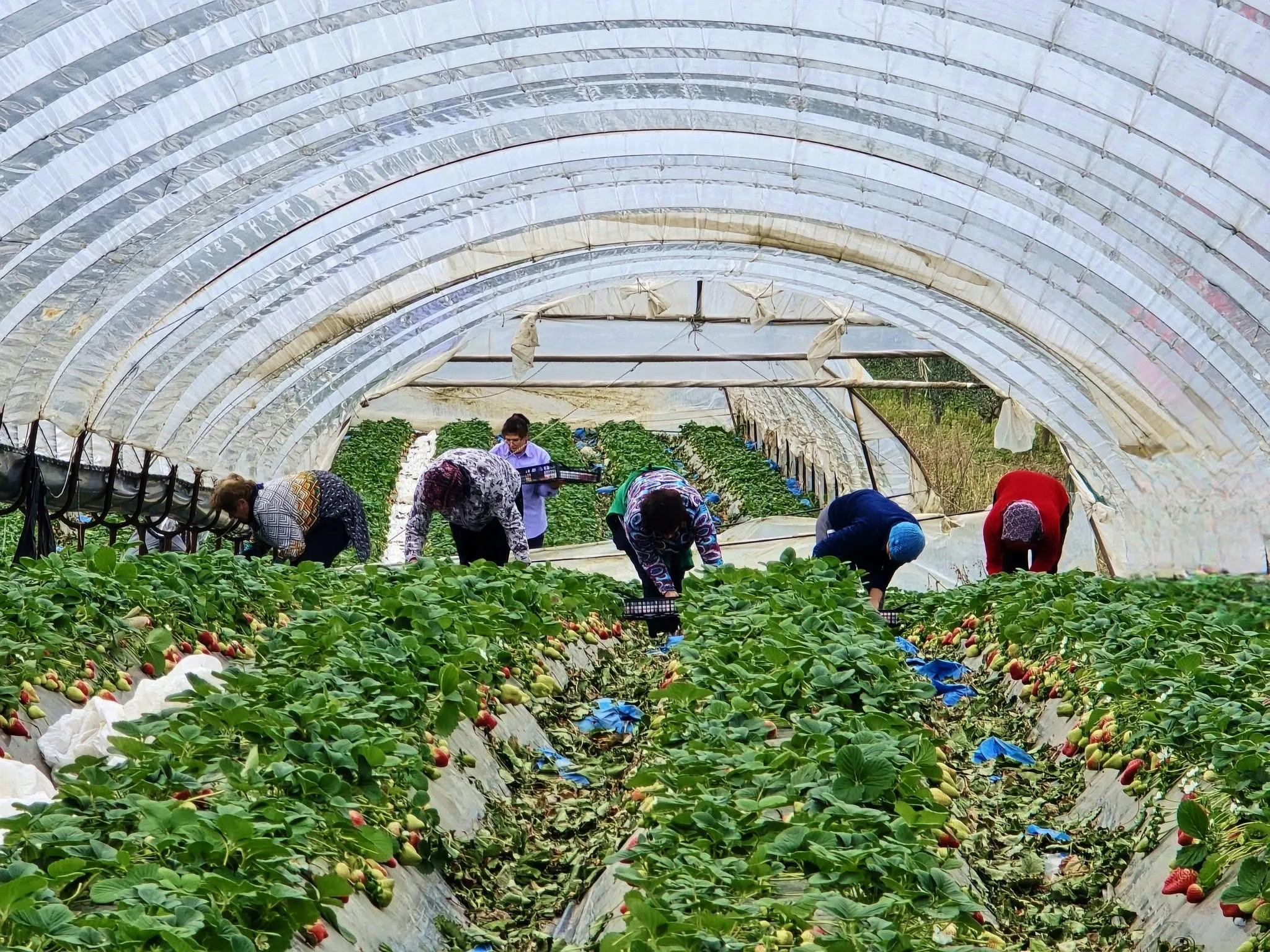
Agriculture and livestock in Albania are facing a crisis that is increasingly challenging the economic sustainability of farmers. Rising prices of seeds, chemical fertilizers, and agricultural inputs, labor shortages, market uncertainty, and damages from natural disasters are among the factors weighing on production costs and reducing security for the continuation of activities.
In this situation, farmers face not only the risks arising from the market and climatic conditions but also difficulties in accessing public support. According to concerns raised by the sector, even the funds made available for investments through the Agency for Agricultural and Rural Development (AZHBR) are accompanied by lengthy administrative procedures, repeated requests for documentation, and uncertainty about the completion of financing.
One of the main issues relates to the disqualification of applicants for bureaucratic reasons. Farmers claim that different administrative interpretations regarding documentation, the applicant’s status, or investment conditions may lead to their exclusion, even in cases where the purpose and feasibility of the investment are clear.

Concerns are also raised about the investment evaluation process. During the review, reductions in the projected amounts are requested, some expenses are not recognized, and additional documents, reports, and explanations are requested. According to the farmers, these procedures prolong the process and make financial planning and investment implementation difficult.
Another problem relates to contract terms, which are not always considered appropriate for the time required for procurement, purchase, and installation of machinery or equipment. In a sector where investments also depend on the availability of equipment and market conditions, inappropriate deadlines can create a risk of delayed fulfillment of contractual obligations.
Documents dependent on institutions pose a risk of disqualifying farmers
Farmers raise concerns that in some cases they are penalized for missing state documents, such as building permits, usage certificates, or other documents, the insurance terms of which do not directly depend on them. This creates a situation where the applicant may face financial consequences for delays related to the procedures of public institutions.
The issue also extends to inspections and verifications. According to the complaints raised, delayed inspections and lack of cooperation during project implementation make the completion of investments difficult. Instead of the process functioning as a guiding and support mechanism, farmers claim they often face an administrative approach that increases obstacles.
The situation in the payment phase is particularly concerning. The creation of commissions, repeated requests for clarifications, and various claims during verification can delay the disbursement of approved funds, leaving investors without the necessary financial security.
In some cases, concerns are also related to the reduction of investment values, disqualifications, and demands for the return of advance payments. These obligations can create significant financial pressure on farmers, who have meanwhile committed their capital and taken on obligations for project implementation.
Delays in subsidies are increasing production costs.
Beyond investment schemes, another concern is the delay in payments to national support schemes. For farmers, these funds are part of the financial planning for the agricultural season and are used to cover part of the production costs.
When payments are not made on time, farmers are forced to cover their own expenses, at a time when the prices of agricultural inputs and other costs continue to burden their activity. The lack of insurance schemes for damages from natural disasters further increases their exposure to losses.
Under these conditions, the demand for more domestic production and competitiveness faces a contradiction: farmers are required to invest and increase production, but at the same time, they face uncertainty about the market, financing, and institutional support. /ekofin.al
