


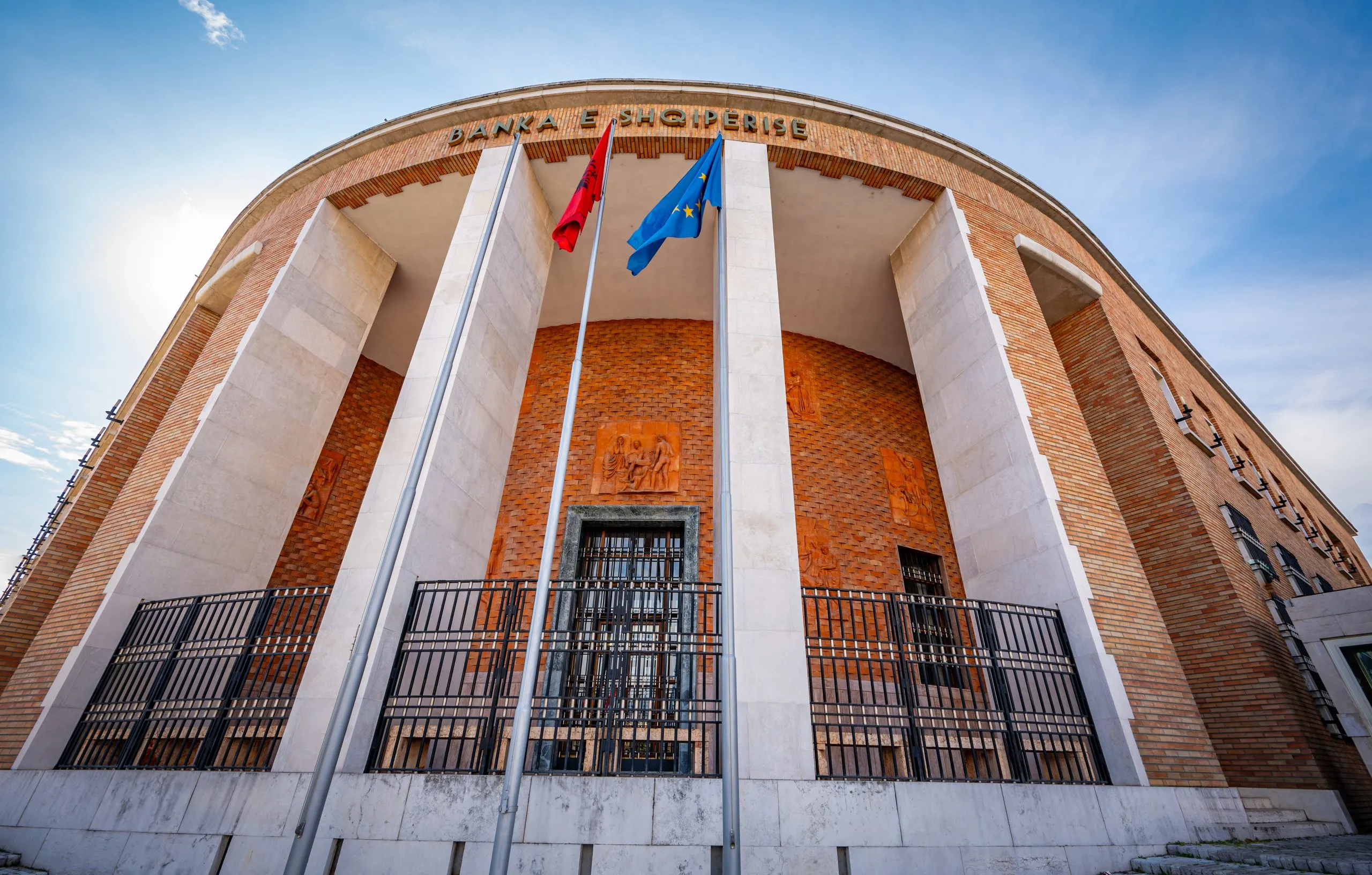
The latest survey by the Bank of Albania shows an improvement in economic sentiment in October 2026, but the differing trends across sectors indicate that the recovery is not uniform. Consumers and service businesses are more optimistic, while construction and trade are facing signs of slowdown.
The Albanian economy is showing signs of a gradual improvement in confidence, but the optimism of businesses and consumers remains unevenly distributed across sectors. Data from the business and consumer confidence survey, published by the Bank of Albania for October 2026, show that the Economic Sentiment Indicator (ESI) increased by 0.4 points, remaining 8 points above its historical average.
This result signals that the perception of the economic situation remains generally positive. However, behind the overall figure lie various developments: services and industry are making a positive contribution, while construction and trade are showing weakness. At the same time, the improvement in consumer confidence suggests that households have a somewhat more optimistic perception of personal finances and consumption opportunities.
Services take on the role of the engine of optimism
The services sector is among the most positive in the October survey. The confidence indicator in this sector increased by 3.2 percentage points, positioning itself 8.3 points above the historical average.
The improvement is mainly related to businesses’ more positive assessment of demand and current economic activity.
In other words, companies in this sector are perceiving better performance in their operations and a more favorable demand for the services they offer.
This development is important because services hold a considerable weight in the Albanian economy. A sustained improvement in this sector could translate into more commercial activity, increased business revenues, and new employment opportunities.
However, optimism should be interpreted with caution. A positive assessment of current activity does not automatically mean that businesses have confidence in the coming months.
The industry is regaining ground, but exports remain a weak point
Another positive signal comes from the industry. After three months of decline, the confidence indicator in this sector rose by 2.5 percentage points in October, remaining 4.3 points above the historical average.
The growth was mainly supported by a more positive assessment of current production by businesses. Overall orders also showed a slight improvement.
However, one element that deserves attention is the decline in orders from exports. This indicator suggests that, despite the improvement in domestic production, demand from foreign markets is not progressing at the same pace.
For an economy like Albania’s, where part of the industry is exposed to international markets, export performance remains essential. The weakening of orders from abroad could affect production plans, investments, and employment in export-oriented sectors.
The construction sends the most worrying signal
In contrast to positive developments in services and industry, the construction sector recorded the sharpest decline in confidence during October.
The construction confidence indicator decreased by 5.7 percentage points. Although its level remains 11.5 points above the historical average, the monthly decline indicates a weakening of businesses’ perception of sector activity.
The main factor behind this trend was the more negative evaluation of order contracts. Construction activity also contributed negatively, although to a lesser extent.
This development deserves attention, considering the importance of construction in economic activity, investments, and the labor market. A continuous weakening of order contracts may signal fewer projects in the future and a slower pace of activity.
However, a one-month decline is not enough to conclude that the sector has entered a contraction phase. What will matter is whether this trend continues in the coming months.
Trade is losing momentum, despite levels above the historical average.
Trade also recorded a weaker month. The confidence indicator in this sector fell by 3.5 percentage points, although it remains 5 points above the historical average.
The decline is related to less optimistic business assessments of current sales, as well as worsening employment expectations.
This is a signal that must be followed, as trade is directly linked to household consumption and the circulation of goods in the economy.
If commercial businesses perceive a weakening in sales and become more cautious about hiring, this could also affect their expectations for expanding activity.
More optimistic consumers: expectations for finances and the economy improve
One of the positive developments of the October survey is the improvement in consumer confidence.
The consumer confidence indicator rose by 1.1 percentage points, remaining 5.8 points above the historical average.
The growth was supported by more positive assessments of current major purchases and expectations for such purchases in the future. Additionally, consumers showed more optimism about their financial situation and the overall economic situation.
This change is important for the economy, as consumer confidence directly influences decisions on spending, saving, and long-term purchases.
When families have more confidence in their finances, they may be more willing to spend on furniture, household appliances, vehicles, and other high-value products.
The October data provide a mixed overview of the Albanian economy. On one hand, the growing confidence in services, industry, and consumers shows that a significant portion of economic actors view the situation positively. /ekofin.al
