


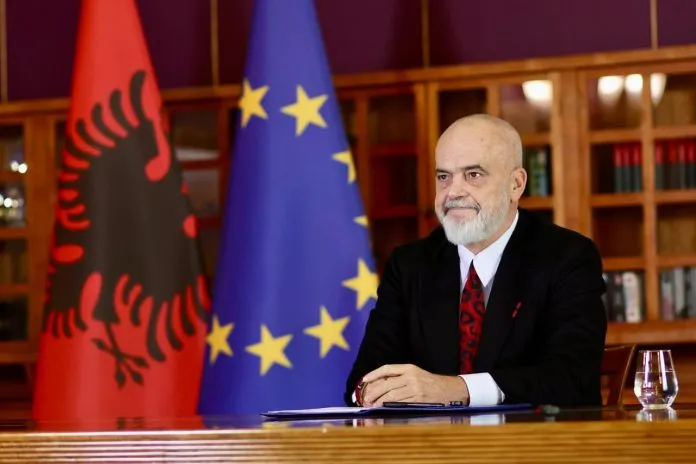
The reduction of VAT on basic food products, changes in income tax, increased taxation for certain categories, and the revision of the vehicle circulation tax are among the main measures introduced by Prime Minister Edi Rama as part of the changes proposed in the 2027 fiscal package.
Prime Minister Edi Rama has introduced a series of changes in fiscal policies aimed at redistributing the tax burden among consumption, businesses, and individuals. The package includes measures that directly affect the food basket for families, small businesses, high wages, the tourism sector, and high-value properties.
One of the main interventions concerns the reduction of VAT on 54 basic food products and basic foods for infants, while at the same time changes are planned in the standard VAT rate and in some other taxes.
Lower VAT on basic food items
One of the most important announced measures is the reduction of VAT on basic food products from 20% to 6%. According to the proposal, this intervention aims to ease family expenses for essential daily consumer products.
At the same time, it is proposed to increase the standard VAT rate from 20% to 21% for goods and services that are not included in the reduced categories.
Changes in income tax and business
Fiscal interventions also include corporate income tax and dividends. According to the reported fiscal package, the corporate profit tax is proposed to be 15%, while the dividend tax will increase from 8% to 15%.
Another important measure is the establishment of a tax rate of 30% for the portion of the salary exceeding 700,000 new lek, according to the declarations submitted for the proposed changes.
For small businesses, the government plans to maintain zero profit tax until 2029, aiming to support economic activity and facilitate small-scale enterprises.
Meanwhile, it is proposed to lower the mandatory registration threshold in the VAT scheme from over 10 million lek to 5 million lek in annual turnover. This measure aims to increase formalization and limit the use of invoicing to avoid tax obligations.
Increase of VAT in hospitality and taxation of the digital economy
The tourism sector is also part of the proposed changes. The VAT for hospitality is planned to increase from 6% to 10%, including agrotourism activities under the new scheme.
At the same time, measures are being prepared to tax the digital economy, with special attention given to the income generated by influencers and online trade activities.
The aim is for economic activities carried out through digital platforms to be included in a clearer fiscal framework, increasing transparency and compliance with tax obligations.
Higher taxes on luxury properties and vehicles
The changes also focus on individuals with high wealth and income. According to the announced measures, the introduction of a special tax is being considered for high-value properties, including villas in coastal areas and properties that are kept vacant.
Additionally, higher obligations are planned for water consumption in private pools and a special tax on luxury vehicles.
As part of strengthening fiscal transparency, individuals with relatively high incomes are expected to have broader obligations for asset declaration, according to the framework that will be established.
The vehicle circulation tax is changing
Another announced intervention concerns the circulation tax, which is currently included in the price of diesel.
According to the prime minister’s statement, the aim is to remove it from the pump price, with a planned reduction of about 32 lek per liter.
Instead of this scheme, the tax will be directly linked to the vehicle and collected through the General Directorate of Road Transport Services. Additionally, the imposition of a circulation tax is planned for vehicles with foreign license plates entering Albanian territory. /ekofin.al
