


The credit burden of businesses relative to capital increased during the first half of 2026, while the construction sector continues to have the highest exposure to debt. According to the Bank of Albania’s Financial Condition and Borrowing Survey, the average loan-to-equity ratio has reached 79%, increasing by 1.4 percentage points compared to the previous half-year and by 2.8 percentage points year-on-year.
The increase in this indicator has been more pronounced among medium and large enterprises, signaling an expansion of their financial liabilities relative to equity.
According to the survey, about 84% of enterprises report that the loan value is approximately half of their capital, while 10% declare that liabilities from loans are almost equal to their capital.
On the other hand, 6% of businesses have loans that exceed the value of their capital. Half of them report loans at the level of 100-200% of their capital, while the rest declare liabilities exceeding twice that amount.
Construction, the sector with the highest debt burden
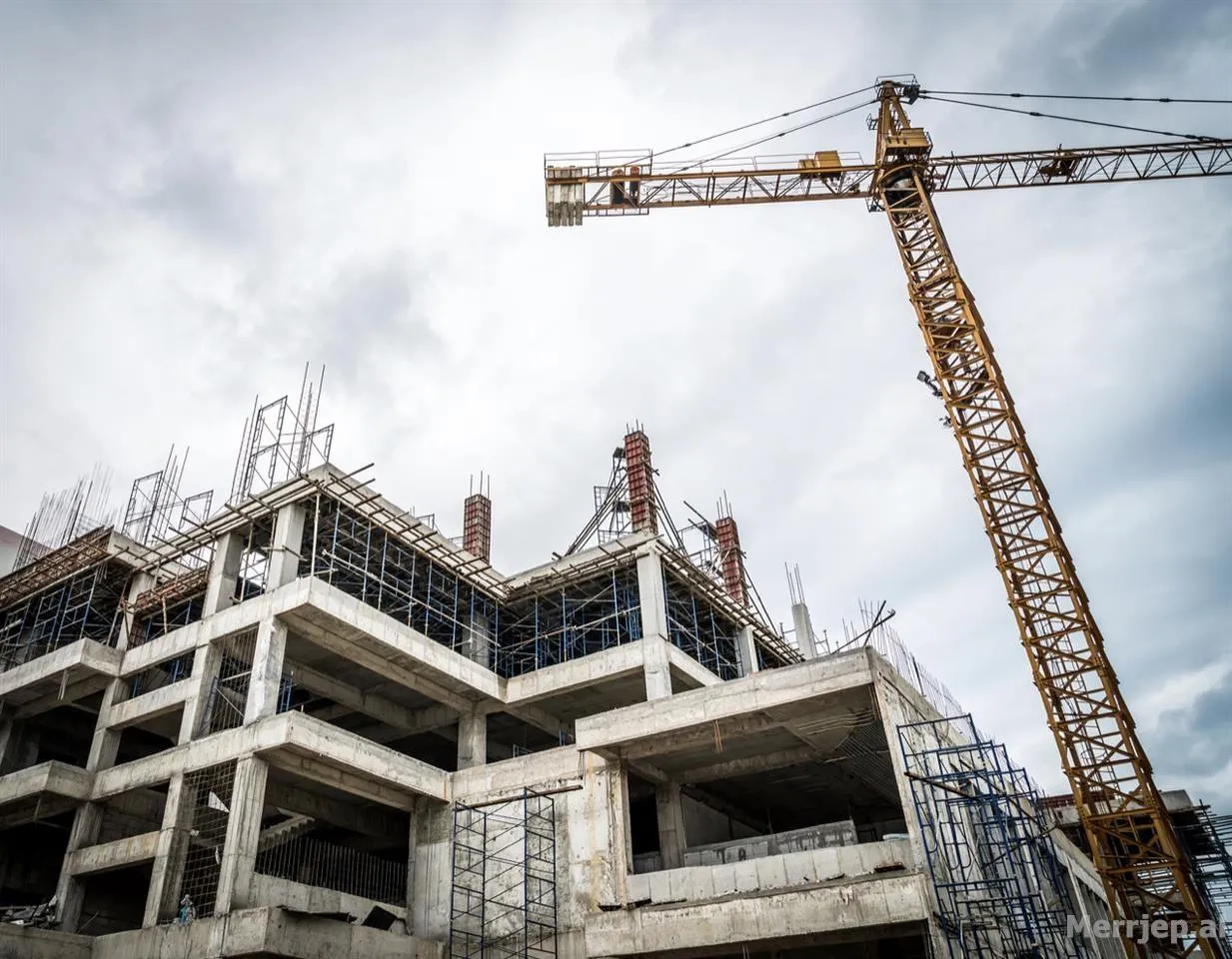
In the analysis by economic sectors, construction is the activity with the highest exposure to borrowing relative to capital.
About 27% of construction companies report that the value of their loans is equal to or greater than their capital.
This percentage has remained unchanged compared to the second half of 2025, but has increased significantly from the 18% level recorded in the first half of last year.
This means that, within one year, the share of construction companies with liabilities equal to or higher than capital increased by 9 percentage points.
After construction comes trade, where 18% of enterprises report loans equal to or higher than capital, followed by services with 17% and industry with 8%.
In the industrial sector, this indicator has shown a significant improvement, falling from 21% in the first half of 2025 to 8% in the same period of 2026.
Meanwhile, according to the Bank of Albania, the average loan-to-equity ratio for the analyzed sectors has reached around 80%, with increases across all sectors except construction. The highest average ratio level is recorded by the services sector, at 88%.
One in five businesses spends over 20% of their income on credit
Despite the increase in the debt-to-equity ratio, the burden of loan payments relative to income showed improvement during the observed period.
About 81% of enterprises declare that loan repayment expenses do not exceed 20% of their revenues.
This percentage has increased by 8 percentage points compared to the previous six months and by 5 percentage points on an annual basis.
However, the situation remains more difficult for small enterprises, where about 23% state that loan payments take more than one-fifth of their income.
This share has decreased by 2 percentage points both in the six-month and annual comparisons, but small businesses continue to bear the highest debt service burden.
69% of businesses with increased installments blame the interest rates
About 83% of borrowing enterprises report that loan payments remained unchanged during the first half of 2026.
However, among the group of businesses that reported an increase in the installment, the main reason is related to interest rates.
According to the Bank of Albania, 69% of enterprises that have experienced an increase in loan payments attribute this development to the rise in interest rates.
The rest mention the decline in income from economic activity and the increase in demands from lenders.
On an annual basis, the pressure from loan payments has increased for small and medium enterprises, while it has declined for large businesses.
Businesses use reserves to pay off loans
Another important indicator relates to how enterprises cope with borrowing costs.
According to the survey, in 67% of cases businesses declare that they have used various reserves to cover loan payments.
In 27% of cases, enterprises have reduced expenses, a strategy used more by large businesses.
Meanwhile, in 9% of cases, an increase in product prices has been reported to cover borrowing costs, an alternative mainly used by small enterprises.
This indicates that some businesses are covering financing costs not only through their own financial resources but also by limiting expenses or transferring part of the costs to product prices.
Despite these developments, the overall debt burden index remained at 0.55, almost unchanged compared to the previous six months and declining on an annual basis.
Small and medium enterprises have an index of 0.56, while large businesses have 0.54, confirming a relatively higher debt burden among smaller enterprises. /ekofin.al
