


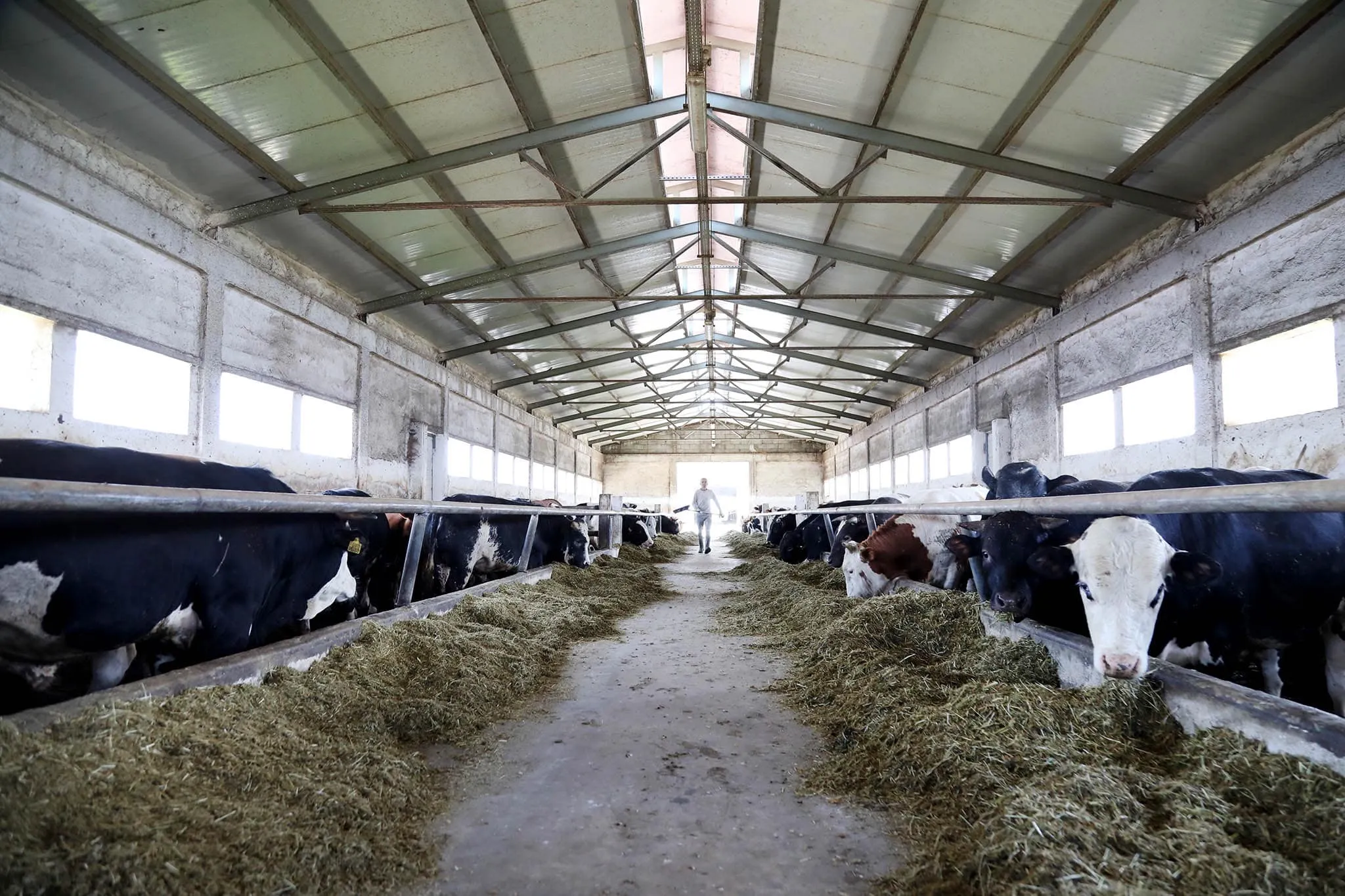
The new regulation of the Ministry of Agriculture and Rural Development has been published in the Official Gazette, which defines the requirements for the registration, approval, and operation of establishments that keep animals, as well as the rules for their identification and traceability. The act includes livestock farms, animal collection centers, poultry establishments, hatcheries for egg hatching, and a range of other activities related to the keeping and transportation of animals.
The document foresees that the effects of the Order will begin on July 11, 2027, giving operators and responsible institutions time to prepare for the implementation of the new requirements. The changes aim to strengthen veterinary control, improve biosecurity, and create a more comprehensive animal traceability system, from the establishment of origin to their destination, emphasizes the Ministry of Agriculture.
The regulation uses the concept of a establishment for facilities and environments where animals are kept or activities related to them take place, according to the definitions of animal health legislation.
This category includes farms keeping cattle, sheep, goats, pigs, and horses, poultry establishments, collection centers, hatching sites, quarantine and animal shelter facilities, as well as enclosed establishments.
Special provisions are also foreseen for centers for the collection and sheltering of dogs, cats, and minks, animal transporters, beekeeping activities, and traveling circuses.
The regulation sets differentiated requirements according to the type of activity, the category of animals, and the risk that the activity may pose to their health.
One of the main elements of the new framework is defining the requirements for the registration and approval of establishments.
For certain categories, especially animal and poultry collection centers, egg hatching sites, and structures that carry out animal movements between countries, specific approval requirements from the competent authority are foreseen.
The approval relates to fulfilling the conditions for isolation, biosecurity, structures and equipment, personnel, as well as veterinary supervision.
This means that for operators subject to the approval procedure, the mere physical existence of a facility is not sufficient. The establishment must meet the relevant technical and veterinary requirements.
However, the regulation also provides exemptions from the obligation to apply for approval for certain categories of establishments, according to the conditions specified in the act.
Another important change concerns the obligations for the identification and registration of animals.
Operators of registered or approved establishments must keep information about the animals present on their premises, including identification codes when requested, and data on their origin and destination.
In cases where animals are transferred from one establishment to another, the documentation must enable the identification of the country from which they came and the place where they were sent.
For this purpose, the regulation provides for the use of unique registration or approval numbers of establishments.
For different categories of animals, identification means are also determined, including conventional and electronic tags, according to specific requirements.
These measures aim to enable the tracking of animal movements and faster identification of their origin in case diseases appear.
The regulation sets special requirements for establishments that collect animals, keep poultry, carry out quarantine, or carry out other activities that require approval.
These requirements include isolation conditions, measures to prevent the spread of diseases, organization of facilities, necessary equipment, and veterinary supervision.
Special attention is given to structures where animals of different origins gather, as their concentration can increase the risk of disease transmission.
For quarantine establishments and closed structures, special requirements are foreseen for control, isolation, and supervision by the veterinarian.
The new framework also regulates the activities of establishments engaged in egg hatching and the movement of day-old chicks.
For these operators, requirements are set for the approval of establishments, biosafety conditions, record-keeping, and traceability of eggs for hatching.
The goal is that the origin and movement of eggs and poultry can be tracked throughout the production and distribution chain.
The regulation also includes animal transporters, setting requirements for registration and the information that must be submitted to the competent authorities.
Transporters of dogs, cats, marmots, and birds, for activities covered by the regulation, must provide information about the identity of the operator, the types of animals, the nature of the transport, and the means to be used. /ekofin.al
